Mistakes People Make With A Neck Ice Pack
Leaving the pack on too long is the most common mistake, since more time does not mean more relief and can instead irritate the skin. Applying it straight from the freezer without any barrier is another frequent error that risks a cold burn.
Using cold on a neck that simply feels tight and tense, rather than acutely inflamed, is also a common mismatch. In that situation, heat is usually the more comfortable and effective choice, and reaching for cold therapy out of habit rather than need can leave you disappointed with the result. Pay attention to how the area actually feels rather than defaulting to whichever pack is easiest to grab.
Finally, expecting a single session to resolve ongoing pain is unrealistic. A neck ice pack is most effective as part of a short course of two to four sessions over the first day or two, alongside gentle movement and good posture habits.
When To Use A Neck Ice Pack
A neck ice pack works by cooling the tissue beneath the skin, which narrows blood vessels in the area, reduces swelling, and slows the nerve signals responsible for pain. This process, known as vasoconstriction, is why the sensation feels numbing within the first few minutes of use.
Cooling the neck also reduces local inflammation, which makes this a particularly useful option after a new strain, a stiff neck from sleeping awkwardly, or a flare-up following unusually long hours at a screen. The numbing effect also offers genuine short-term pain relief, which is often what people want most when a flare-up first strikes.
Timing matters just as much as the tool itself. A neck ice pack is most effective in the first 24 to 48 hours after an acute strain or flare-up, when swelling and inflammation are at their peak.
- A stiff, sore neck after sleeping in an awkward position
- Sudden tension or strain following exercise or heavy lifting
- A flare-up that feels warm, swollen, or reactive to the touch
- General soreness after a long day hunched over a laptop or phone
According to NHS guidance on neck pain, both heat and cold packs can help ease neck pain, and it recommends trying either a hot water bottle or a cold pack wrapped in a tea towel depending on what feels most soothing.
Beyond the first 48 hours, cold therapy tends to lose its edge over heat for most people, since the inflammation driving the acute pain has usually settled by then. This is why a two-stage approach, starting with cold and shifting to heat as the days pass, often produces better results than sticking with one method throughout.
How To Use A Neck Ice Pack Safely
Getting the technique right makes a real difference to comfort and results.
1. Wrap It First
Never apply cold treatment directly to bare skin. Wrap it in a thin towel or use the fabric sleeve provided, since direct contact with extreme cold can damage the skin within minutes.
2. Time It Properly
Apply it for around 15 to 20 minutes at a time, then remove it for at least an hour before reapplying. Longer sessions do not speed up recovery and increase the risk of skin irritation.
3. Check The Skin Regularly
Some pinkness is normal, but stop immediately if the skin becomes numb, blistered, or extremely painful. This is a sign the cold has been left in place too long or is too intense for direct comfort.
4. Position It Correctly
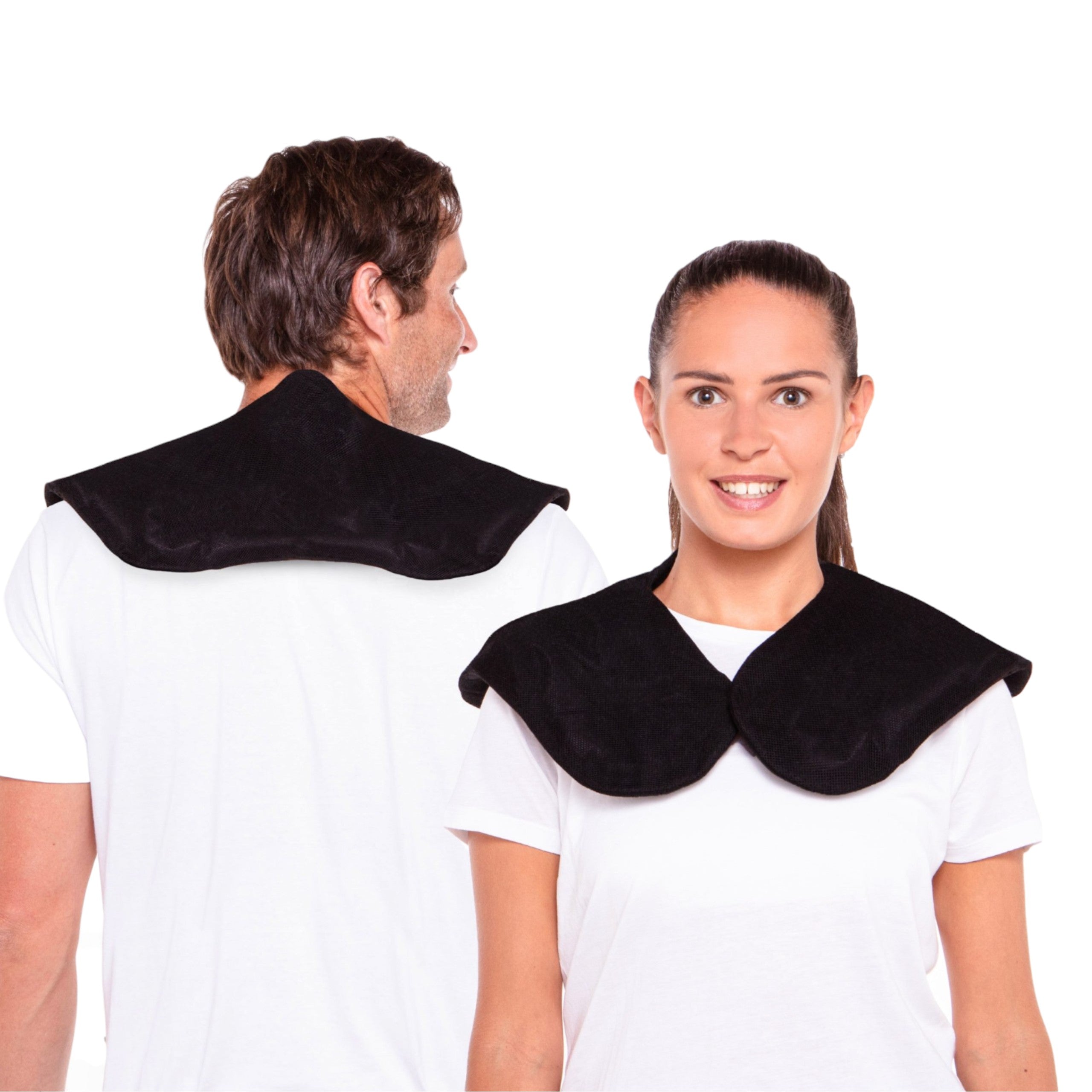
Drape the pack across the back of the neck and upper shoulders rather than pressing it into one small spot, so the cooling effect spreads evenly across the tense muscle group.
Neck Ice Pack Versus Heat: Which Should You Choose
Cold and heat both have a place in neck pain management, but they work differently. A neck ice pack is best for fresh strains, swelling, and flare-ups that feel warm or inflamed. Heat, on the other hand, is usually better for ongoing stiffness, tightness that has settled in over days or weeks, or a neck that simply feels tense rather than acutely painful.
Some people find alternating between a neck ice pack and heat gives the most complete relief, using cold to calm inflammation first and heat afterward to relax the surrounding muscles once swelling has settled.
Common Causes Of Neck Pain Worth Knowing
Understanding what is driving your neck pain helps you decide whether a neck ice pack, heat, or a combination is the right first step.
- Poor posture at a desk or on a laptop for long periods
- Sleeping in an awkward position or on an unsupportive pillow
- Stress and tension, which tightens the muscles around the neck and shoulders
- Forward head posture from screen use, which places extra load on the cervical spine
- Minor strains from exercise, lifting, or sudden movement
Our guide to forward head posture causes goes into more detail on how screen habits contribute to ongoing neck tension, alongside practical steps to correct it. Addressing the underlying cause alongside short-term relief tends to produce longer lasting results than relying on cold or heat alone.
When To See A Doctor
Most neck pain settles within a few weeks with simple self-care such as a neck ice pack, gentle movement, and over-the-counter painkillers. See a GP if the pain does not improve after a few weeks, painkillers are not helping, or you notice pins and needles, numbness, or weakness spreading into your arm, since these can be signs of something that needs professional assessment.
Frequently Asked Questions
Can I make one at home instead of buying one?
Yes, a bag of frozen peas or ice cubes wrapped in a tea towel works as a basic version, though a purpose-made pack tends to mould to the neck more comfortably and stays cold for longer.
Is it safe to use every day?
Short, well-timed sessions are generally safe for most people, but if you are reaching for cold therapy daily for more than a week or two, it is worth checking in with a GP or physiotherapist about the underlying cause.
Should children or older adults use cold therapy differently?
Skin can be more sensitive in children and older adults, so shorter sessions with extra padding and closer skin checks are a sensible precaution.
We Are Here To Help
A reliable neck ice pack is one of the simplest tools you can keep on hand for those sudden flare-ups, stiff mornings, and after a long day at your desk. Look for one shaped to sit comfortably across the neck and shoulders, so it stays in place and delivers even cooling exactly where you need it.
Want to know more before you commit? Our friendly support team is happy to chat get in touch.

Hot/Cold Pack Neck & Shoulder
Relieve neck and shoulder pain fast with targeted hot or cold therapy.
Shop Now →