Acupressure Mat For Back Pain: Does It Really Help?
An acupressure mat for back pain is one of those products that looks intimidating on the shelf and then quietly becomes a daily habit once people try it. Covered in hundreds of small plastic points, it looks more like a torture device than a wellness tool, yet many people find it genuinely eases tension and stiffness after just a few sessions. This guide covers how an acupressure mat for back pain actually works, how to use one properly, and what kind of results are realistic to expect, so you know what you are getting into before your first session.
How An Acupressure Mat For Back Pain Works
An acupressure mat for back pain works on the same principle as acupuncture, using pressure rather than needles to stimulate points across the skin. Lying on the mat activates hundreds of small contact points at once, which increases local blood flow and encourages the release of endorphins, the body’s natural pain-relieving chemicals.
This combination of increased circulation and a natural chemical response is why many people describe the sensation as intense at first, then surprisingly relaxing once the body adjusts. An acupressure mat for back pain does not target one specific spot the way a massage might; instead it spreads gentle, even stimulation across the whole area it touches.
How To Use An Acupressure Mat For Back Pain
Getting Started
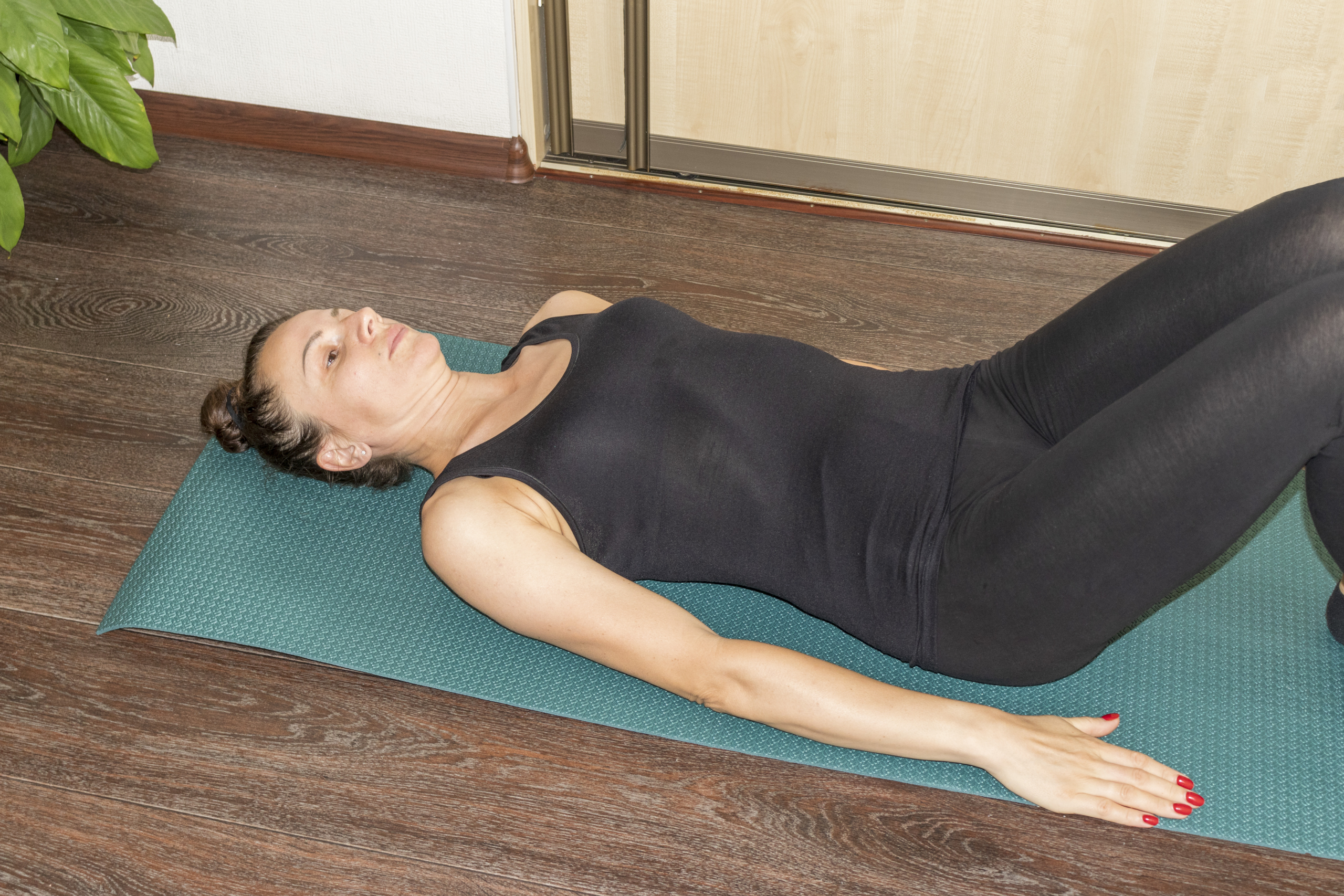
Lie down slowly on the mat with the affected part of your back in direct contact with the points, allowing your body weight to settle evenly rather than dropping down quickly. Most people find the first sensation intense, so easing into position gradually makes the experience far more comfortable.
Building Up Tolerance
Wearing a thin T-shirt for your first few sessions is a common and sensible way to ease into using an acupressure mat for back pain, since bare skin can feel quite sharp initially. Many people move to direct skin contact within a week or two as the body adjusts to the sensation.
Session Length
Start with five to ten minutes and build up gradually. Fifteen to thirty minutes is generally considered a suitable maximum session length for an acupressure mat for back pain, since longer periods do not necessarily add extra benefit and can increase discomfort.
How Often To Use It
Daily use tends to produce the best results, particularly when sessions are built into an existing routine such as first thing in the morning or while winding down in the evening. Consistency appears to matter more than duration when it comes to an acupressure mat for back pain.
Acupressure Mat For Back Pain Versus A Massage
A professional massage uses targeted, hands-on pressure applied by a therapist who can adjust technique based on how your muscles respond in the moment. An acupressure mat for back pain works differently, spreading passive, even pressure across a wide area rather than focusing on one specific knot or trigger point.
The trade-off is convenience versus precision. A massage may resolve a specific tight spot more directly, but it requires booking an appointment and paying for a session. A mat can be used daily, at home, for a fraction of the cost of even one professional massage, which is part of why it tends to build into a habit rather than an occasional treat.
What The Research And Experience Suggest
According to NHS guidance on back pain, staying active and continuing with normal daily activities is one of the most effective things you can do for back pain, alongside simple measures like heat, ice, and gentle stretching. An acupressure mat for back pain fits naturally alongside this advice as a passive, low-effort way to support relaxation without requiring structured exercise.
The gentle pressure and rest position also encourages people to lie still and breathe more slowly, which can reduce the muscle guarding that often makes back pain feel worse than the underlying issue alone would suggest.
Who Benefits Most From An Acupressure Mat For Back Pain
Desk workers and anyone who spends long hours sitting tend to notice the biggest difference, since the mat directly addresses the muscle tightness that builds up from static posture. It also suits people who want a passive recovery tool, since there is no stretching routine or exercise technique to learn, just time spent lying down.
People managing everyday stress-related tension, rather than a specific injury or diagnosed condition, often report the most consistent benefit, since the combination of pressure and stillness supports general relaxation as much as the back itself. Anyone new to relaxation or mindfulness practices may also find the mat a useful anchor, since the physical sensation gives the mind something concrete to focus on during the session rather than drifting.
Common Mistakes To Avoid
Jumping straight into a long session on bare skin is the most common mistake, and it usually puts people off before they give the mat a fair chance. Easing in gradually with a T-shirt and a shorter session gives the body time to adjust to the sensation properly.
Using an acupressure mat for back pain on a hard floor without any padding underneath can also make the experience unnecessarily uncomfortable. A yoga mat or carpeted surface underneath provides a bit of give that many people find makes the session more bearable.
Skipping the mat entirely after one uncomfortable session is understandable but often means missing out on the benefit, since most people report the sensation becoming far more tolerable, even pleasant, after their second or third use.
Caring For Your Mat
Most covers can be removed and hand washed in cold water, which keeps the mat fresh if you use it daily against bare skin. Allow it to air dry fully before storing, and keep it rolled or folded in its travel bag to protect the plastic points from damage between sessions.
Avoid leaving the mat in direct sunlight or somewhere very hot for extended periods, since this can affect the flexibility of the plastic points over time and shorten how long the product lasts.
Frequently Asked Questions
Is it safe to use every day?
Yes, daily use is generally considered safe for most people and often produces better results than occasional use, provided sessions stay within a sensible length.
Who should avoid using one?
People who are pregnant, have a bleeding disorder, or have broken or irritated skin in the area should check with a doctor before use, since the pressure points can aggravate these conditions.
Can it be used for areas other than the back?
Yes, the same mat can be used under the legs, feet, or neck depending on where tension has built up, making it a flexible addition to a broader relaxation routine.
Worth Adding To Your Routine
An acupressure mat for back pain is inexpensive, reusable, and requires nothing more than ten minutes of lying still to potentially make a real difference to daily tension. It will not replace medical treatment for a diagnosed condition, but as a simple daily habit alongside movement and good posture, it is worth trying.
For more detail on managing the initial sensation safely, our guide to acupressure mat side effects covers what to expect in your first few sessions and how to avoid unnecessary discomfort.
Want to know more before you commit? Our friendly support team is happy to chat — get in touch.

Acupressure Mat & Pillow (White)
Ease back pain, muscle tension, and stress with a daily acupressure routine at home.
Shop Now →