Recovery Foam Roller: The Complete Guide To Faster Muscle Recovery
If your legs feel tight after a run, or your back aches after a long day at a desk, a recovery foam roller might be the simplest tool you are missing. Foam rolling has moved from a niche gym habit into an everyday recovery routine for office workers, runners, and weekend athletes alike.
This guide explains how a recovery foam roller works, how to build a simple foam roller exercise routine, and how to avoid the common mistakes that stop people getting the results they expect. Whether you train several times a week or simply want to feel less stiff after a day at your desk, the right routine can make a noticeable difference within a couple of weeks.
What Is A Recovery Foam Roller And How Does It Work
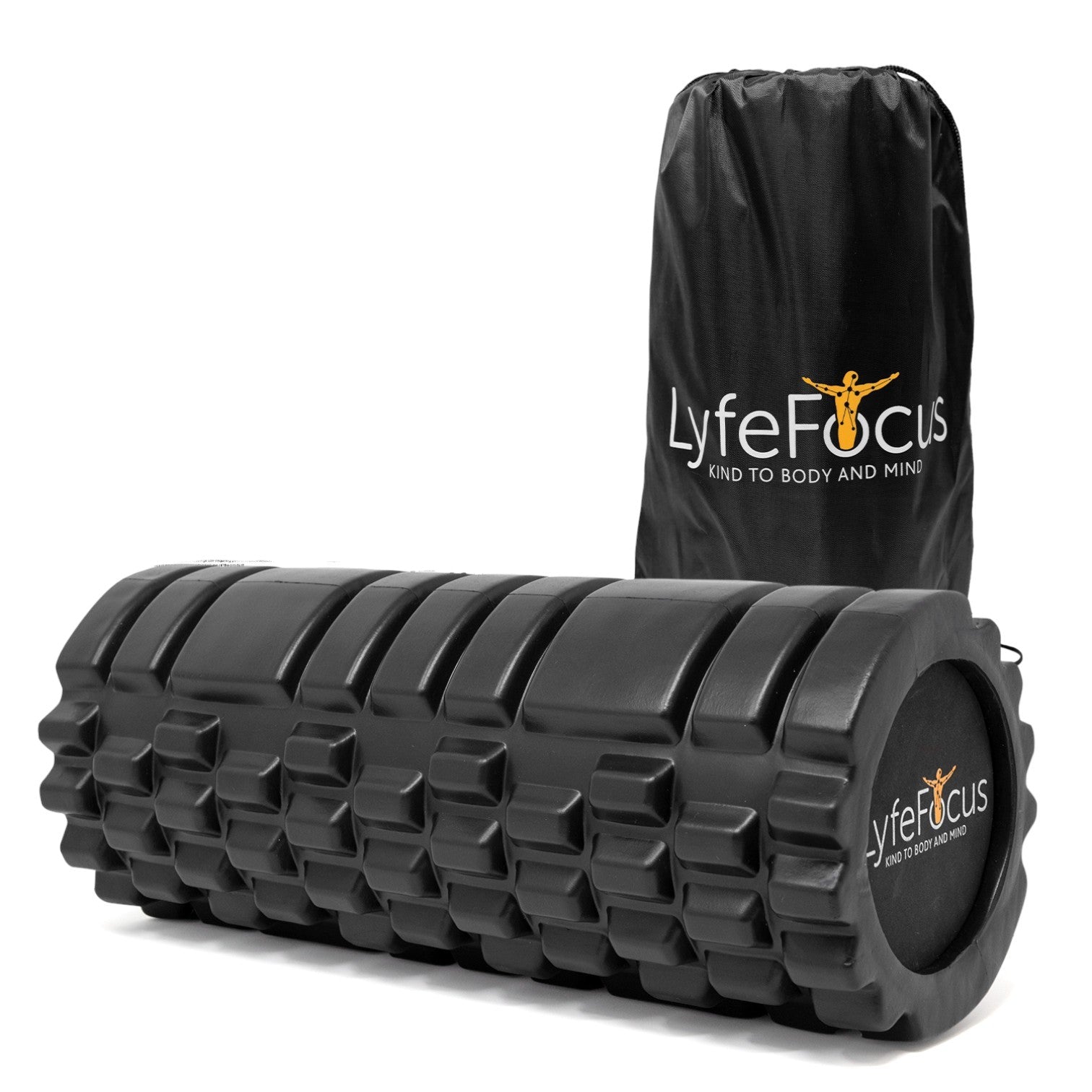
A recovery foam roller is a cylindrical foam tool used to apply pressure to muscles, helping to release tight spots known as trigger points. The technique, often called self-myofascial release, works by applying steady pressure to a muscle using your own body weight rolled slowly over the roller.
Using a recovery foam roller regularly can improve blood flow to tired muscles, reduce the tightness that builds up after exercise or long periods of sitting, and support a wider range of motion in the joints those muscles surround.
The science behind this is fairly simple. Muscle tissue can develop small areas of tension, sometimes called adhesions, where fibres stick together and restrict smooth movement. Applying steady, rolling pressure with the tool encourages these fibres to release and realign, which is why the sensation often eases noticeably within the first few passes over a tight area.
Benefits Of Using A Recovery Foam Roller
People reach for a recovery foam roller for several reasons, and the benefits build the more consistently it is used.
- Eases muscle soreness and stiffness after exercise or a long day sitting
- Helps release trigger point knots that build up in the back, legs, and shoulders
- Supports better flexibility and range of motion over time
- Improves circulation to tired or overworked muscle groups
- Offers a low-cost, at-home alternative to regular sports massage
A consistent routine, even just ten minutes a day, tends to deliver noticeably better results than an occasional session after a hard workout.
Building A Simple Foam Roller Exercise Routine
A good foam roller exercise routine does not need to be complicated. Targeting one or two muscle groups at a time, slowly and consistently, works better than rushing through the whole body in a few minutes.
Hamstrings
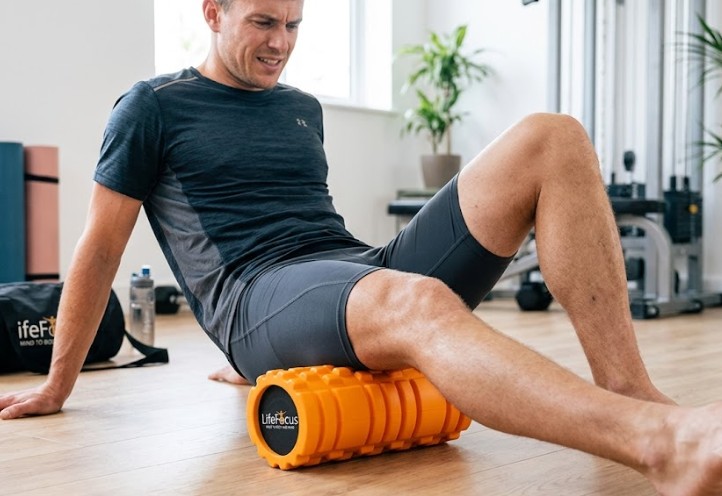
Sit on the floor with the roller under your thighs, hands behind you for support, and slowly roll from just above the knee to just below the seat. Pause on any tender spots for around twenty seconds.
Quadriceps
Lie face down with the roller under your thighs and slowly roll from hip to knee, keeping your core engaged to control the movement.
Upper And Mid Back
Lie on your back with the roller placed horizontally beneath your shoulder blades, feet flat on the floor, and gently roll up and down the upper back while supporting your head with your hands.
Glutes
Sit on the roller with one ankle crossed over the opposite knee, leaning slightly into the tighter side, and roll gently to release tension deep in the glute muscles. This position often feels intense at first, so start with shorter passes and build up the pressure gradually as the muscle warms up.
For a full walkthrough with images for each muscle group, our Foam Roller instructions guide covers proper technique, pressure, and timing in more detail.
How Often Should You Use A Recovery Foam Roller
Most people benefit from foam rolling three to five times a week, or daily during periods of high training load or particularly stressful desk work. A typical foam roller exercise session lasts between five and fifteen minutes, focused on whichever areas feel tightest that day.
According to NHS guidance on stretching after exercise, gentle recovery routines like stretching and rolling work best when done consistently rather than only after intense sessions, since regular practice keeps muscles supple over time.
Common Mistakes When Using A Recovery Foam Roller
- Rolling too fast is one of the most common mistakes. Quick, rushed strokes do not give the muscle enough time to respond, so aim for three to four seconds per pass rather than rushing through it.
- Rolling directly over joints, the lower back, or bony areas is another common error. A recovery foam roller is designed for muscle tissue, not joints, so always stop rolling just before you reach a joint and reposition.
- Holding your breath while rolling over a tender spot is also common. Breathing slowly and deeply while pausing on a trigger point helps the muscle relax rather than tense up further against the pressure.
Foam Roller Exercise Versus Stretching
Foam rolling and stretching work well together but are not interchangeable. A foam roller exercise session releases tight tissue and trigger points, making the muscle more receptive, while stretching afterward lengthens the muscle and improves flexibility. Using a recovery foam roller before stretching, rather than instead of it, tends to produce the best combined results.
Recovery Foam Roller Versus Massage Ball
A recovery foam roller and a massage ball are often used together rather than as a straight substitute for one another. The roller covers large muscle groups efficiently, such as the hamstrings, quadriceps, and back, while a massage ball reaches smaller, harder-to-target spots like the feet, glutes, or the space between the shoulder blades.
If you are only ever going to own one recovery tool, a recovery foam roller is usually the better starting point because it covers more surface area and suits a wider range of muscle groups straight away. Many people later add a massage ball once they want more precise, targeted pressure on specific trouble spots.
Who Should Be Careful With A Recovery Foam Roller
Foam rolling is safe for most people, but caution is needed around recent injuries, fractures, or areas with significant swelling or bruising. If you have a diagnosed muscle or joint condition, check with a physiotherapist or GP before starting a new foam roller exercise routine, particularly if you are recovering from surgery or an acute injury.
Frequently Asked Questions
Does foam rolling hurt?
Some discomfort is normal, especially over tight or tender spots, but it should feel like a manageable ache rather than sharp pain. If a spot feels too intense, ease off the pressure or move to a less tender area.
Can beginners use a recovery foam roller safely?
Yes, beginners should start with lighter pressure and shorter sessions of five to ten minutes, gradually increasing as the muscles adapt over the first few weeks.
Should I foam roll before or after exercise?
Both have benefits. Rolling before exercise can help loosen tight muscles ahead of activity, while rolling afterward supports recovery and reduces post-exercise soreness.
One Small Change, Big Results
Adding a recovery foam roller to your weekly routine is a small change that can make a real difference to how your muscles feel day to day, whether you are managing a training programme or simply sitting at a desk for long hours. Start with two or three muscle groups, keep sessions short and consistent, and build from there.
If you have any questions, we are here to support you, get in touch for faster recovery.

Foam Roller (Black)
Ease muscle pain fast with deep-tissue relief you can take anywhere.
Shop Now →