Forward Head Posture Causes: What Leads to It and How to Correct It
If you regularly experience neck stiffness, tension across the shoulders, or headaches that seem to come from nowhere, forward head posture causes may be at the root of your discomfort. Forward head posture is one of the most common postural problems affecting desk workers and screen users in the UK today. It describes the position where the head sits ahead of the shoulders rather than directly above them, placing significantly more load on the neck, upper back, and supporting muscles. Understanding the main forward head posture causes is the first step toward addressing the problem properly and preventing it from getting worse.
This guide covers the key forward head posture causes, explains the chain of symptoms it creates throughout the body, and outlines practical steps you can take to correct it, from simple daily adjustments to targeted product support.
What Forward Head Posture Causes in Your Body
Forward head posture causes a measurable increase in the effective weight your neck muscles must support. For every inch the head moves forward from its neutral position, the load on the cervical spine increases substantially. A head that normally weighs around five kilograms can feel like twelve kilograms or more to the muscles and joints of the neck when held in a forward position for extended periods. This sustained overload is what produces the chronic tension, aching, and stiffness that many desk workers accept as a normal part of working life.
Beyond the neck itself, forward head posture causes a ripple effect through connected structures. The upper trapezius muscles tighten to hold the head up, the chest muscles shorten as the shoulders round forward, and the thoracic spine loses its natural extension. Over time this affects breathing, shoulder mobility, and even energy levels, as the body works harder to maintain the forward position against gravity.
Common symptoms associated with forward head posture include:
- Persistent neck stiffness and reduced rotation
- Tension headaches originating at the base of the skull
- Upper back aching between and around the shoulder blades
- Shoulder tightness and limited overhead reach
- Jaw tension and discomfort
- Fatigue that is out of proportion to physical activity levels
The NHS recommends staying active and moving regularly as a core part of managing neck pain, noting that movement is better for recovery than prolonged rest. Addressing the forward head posture causes driving your symptoms is far more effective than managing the symptoms alone.
The Main Forward Head Posture Causes for Desk Workers
Forward head posture does not appear overnight. It develops gradually as a result of repeated habits and environmental factors that push the head into a forward position over months or years. The most common forward head posture causes in desk workers and remote workers are closely linked to how we use screens, sit, and rest.
Screen Position and Screen Time
One of the leading forward head posture causes is sustained screen use at the wrong height or distance. When a monitor sits too low, the natural response is to lean the head forward to see it clearly. Over a working day this adds up to hours spent with the head in a forward position, gradually training the surrounding muscles and joints to hold that shape. Laptop use is particularly problematic because the screen and keyboard are fixed together, making it almost impossible to position both correctly at the same time without additional equipment.
Smartphone and Tablet Use
Looking down at a phone or tablet is one of the most widely recognised forward head posture causes, sometimes called text neck. Every time you look down at a screen held in your lap or at desk height, your head drops forward. People who spend several hours a day using a smartphone outside of work can accumulate as much forward head load from their phone as from their desk setup combined, making this a significant contributor even for those with well-organised workstations.
Poor Seated Posture Without Support
Sitting without adequate lumbar or mid-back support encourages the pelvis to tilt backwards, which rounds the lower spine and causes the upper back to follow, pulling the head forward as a result. This is why forward head posture causes are rarely isolated to the neck. The head position is often the visible result of a postural collapse that starts lower in the spine and works upward.
Weak Deep Neck Flexors
The deep neck flexor muscles run along the front of the cervical spine and are responsible for holding the head in a neutral position. These muscles weaken quickly with prolonged desk work because they are rarely activated in a seated, forward-leaning posture. When they weaken, the head drifts forward and the superficial muscles of the neck and upper back take over, leading to the chronic tension that is one of the most recognisable forward head posture causes and effects.
Driving Posture
Long commutes or extended periods of driving also contribute to forward head posture causes in a way many people overlook. The steering wheel position encourages the arms to reach forward, which rounds the shoulders and brings the head with it. Combined with the concentration required for driving, which tends to produce a slightly forward lean toward the windscreen, regular driving time adds meaningfully to the overall postural load.
How to Correct Forward Head Posture Causes at the Source
Correcting forward head posture requires a two-pronged approach: reducing the environmental and habitual triggers that cause it, and actively retraining the muscles and joints that have adapted to the forward position. Neither alone is sufficient for lasting change.
Adjust Your Screen Setup
Raise your monitor so the top of the screen is roughly level with your eyes. Use a separate keyboard and mouse if working on a laptop, and prop the laptop on a stand to achieve the right screen height. This removes one of the primary forward head posture causes from your daily environment without requiring any additional effort once the setup is correct.
Perform Chin Tucks Daily
Chin tucks are one of the most effective exercises for retraining the deep neck flexors that weaken as a result of forward head posture causes. Sitting or standing upright, gently draw your chin straight back without tilting your head. You should feel a light stretch at the base of the skull and a gentle engagement of the muscles along the front of the neck. Hold for five seconds and repeat ten times. Performing this exercise several times throughout the workday counteracts the habitual forward drift and progressively strengthens the muscles that maintain neutral head position.
Stretch the Chest and Upper Trapezius
Because forward head posture causes the chest muscles and upper traps to shorten and tighten, regular stretching of these areas is essential. A simple doorway chest stretch, where you place both forearms against a door frame and gently lean forward until you feel the stretch across the chest, helps lengthen the shortened muscles on the front of the body. Pairing this with lateral neck stretches, where you tilt one ear toward the shoulder to lengthen the opposite trapezius, addresses both of the major muscle groups affected by forward head posture causes.
Take Regular Movement Breaks
No amount of ergonomic adjustment fully compensates for extended static posture. One of the most practical steps for addressing forward head posture causes is to build regular movement into your day. Standing up and resetting your posture every 45 to 60 minutes, even briefly, reduces the cumulative load that drives head drift. Setting a timer or using a standing desk for part of the day are both reliable strategies for making this consistent.
Supporting Your Neck Recovery Between Sessions
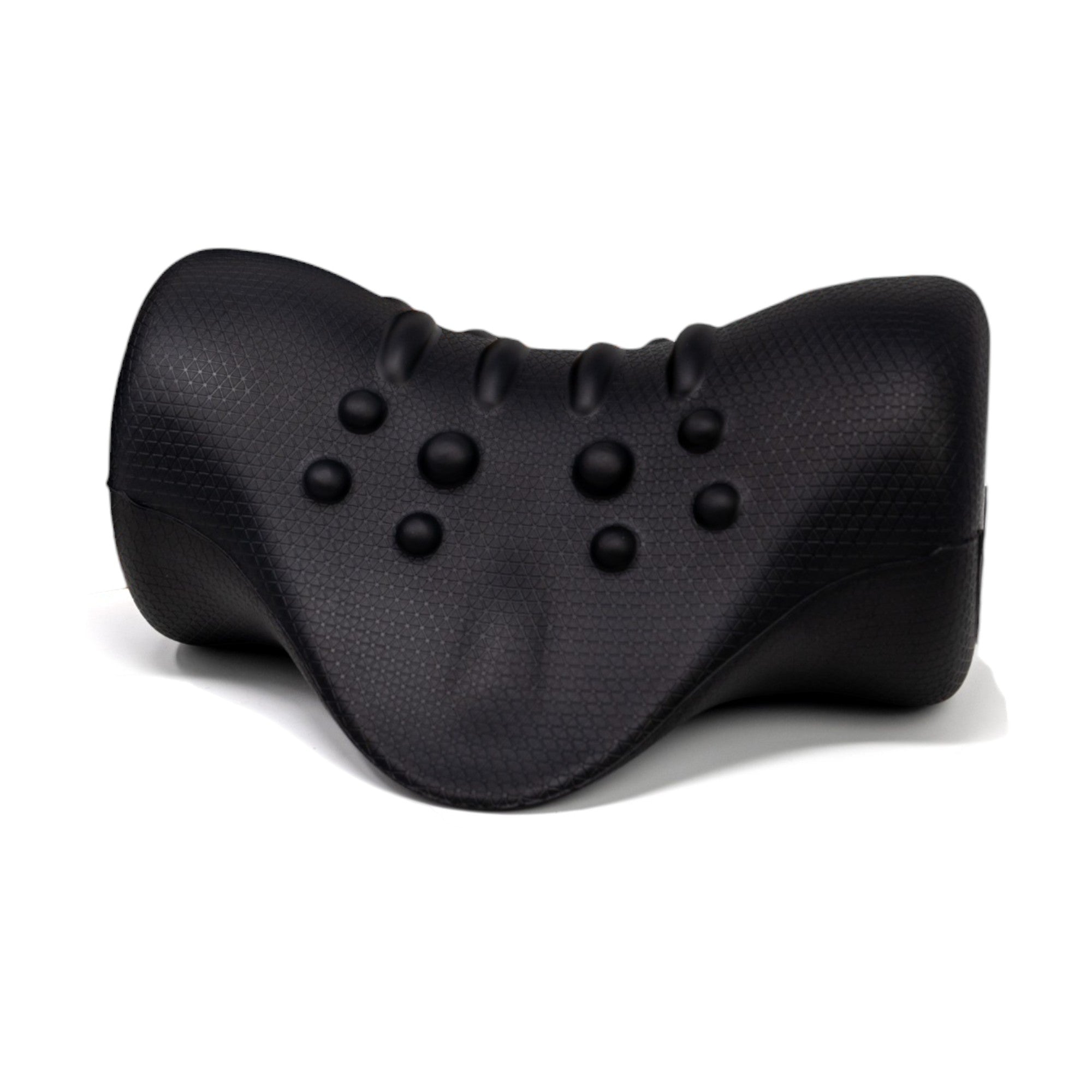
Exercises and posture adjustments are the foundation of correcting forward head posture, but targeted product support can accelerate recovery and help manage the tension that builds up in the neck and upper traps throughout the day. A neck stretcher provides a passive way to decompress the cervical spine, gently lengthen the muscles shortened by forward head posture causes, and restore natural curvature to the neck.
The LyfeFocus Neck Stretcher (Black) is designed specifically to target the central and lateral neck muscles that carry the most load in forward head posture. Its contoured shape supports both beginner and more advanced stretches, and its hollow core prevents the device from feeling too firm during use. Many users find that ten to fifteen minutes on the neck stretcher after a working day noticeably reduces the stiffness and tension that forward head posture causes accumulate over hours of screen time.
For additional guidance on managing neck tension and upper back discomfort alongside your neck stretching routine, we also tackle about neck and shoulder tension solutions.
When to Seek Professional Advice
For most desk workers, the forward head posture causes described above respond well to consistent exercise, postural adjustment, and product support over several weeks. However, some symptoms warrant professional assessment rather than self-managed correction.
See a GP or physiotherapist if you experience:
- Neck pain that does not improve after several weeks of consistent self-care
- Numbness, tingling, or weakness radiating into the arms or hands
- Severe headaches, dizziness, or visual disturbance alongside neck pain
- Symptoms that began after a fall, collision, or sudden impact
- Pain that is worsening despite reducing the forward head posture causes in your environment
A physiotherapist can assess the specific forward head posture causes contributing to your symptoms, identify any structural factors, and build a rehabilitation plan tailored to your situation. Self-managed correction works well for postural and muscular causes, but professional input is important when symptoms are severe or persistent.
Moving Forward
Forward head posture is not a fixed problem. The same gradual process that allowed it to develop can be reversed with consistent effort applied in the right direction. Identifying the specific forward head posture causes in your daily routine, adjusting your environment, strengthening the muscles that support neutral head position, and using targeted tools to manage tension between sessions all contribute to measurable improvement over time.
Want to know more before you commit? Just Contact our friendly support team is happy to chat.

Neck Stretcher (Black)
Ease neck tension and restore natural posture with targeted support.
Shop Now →