Muscle Healing: 5 Proven Steps to Recover Faster at Home
If you work long hours at a desk in Preston, muscle healing is something worth understanding properly. Whether the strain came from a weekend run, a gym session, or simply sitting badly for weeks, what you do in the first few days makes the biggest difference. Most people either push through too soon or rest completely, and both slow recovery down. Here are five steps that actually work.
Why Muscle Healing Takes Longer Than You Expect
Muscle healing is a staged process. When fibres tear, even slightly, your body triggers inflammation to clear the damage. That is normal and necessary. The problem is when people disrupt it by overloading the injury or resting so completely that the muscle stiffens before it finishes repairing. Minor strains typically resolve in two to four weeks. More significant tears can take six to eight weeks. What you do early on directly shapes how well the muscle comes back.
Step 1: Muscle Healing Starts With Protection, Not Total Rest
Protection means avoiding movements that cause sharp pain, not lying completely still. NHS guidance on sprains and strains is clear that gentle early movement supports muscle healing far better than complete immobility. Keep blood flowing to the area with slow walks and light range-of-motion exercises. A compression bandage can also reduce swelling and stop you from accidentally overloading the site.
Step 2: Apply Ice and Heat at the Right Time for Muscle Healing
For the first 48 to 72 hours, use ice, up to 20 minutes every two to three hours. Never apply it directly to skin. Once the acute phase passes, switch to heat. Heat increases circulation to the damaged muscle, eases stiffness, and accelerates tissue repair. A targeted hot pack applied consistently through the later stages of muscle healing makes a noticeable difference to how quickly the area loosens up.
Muscle Healing and Soft Tissue Work
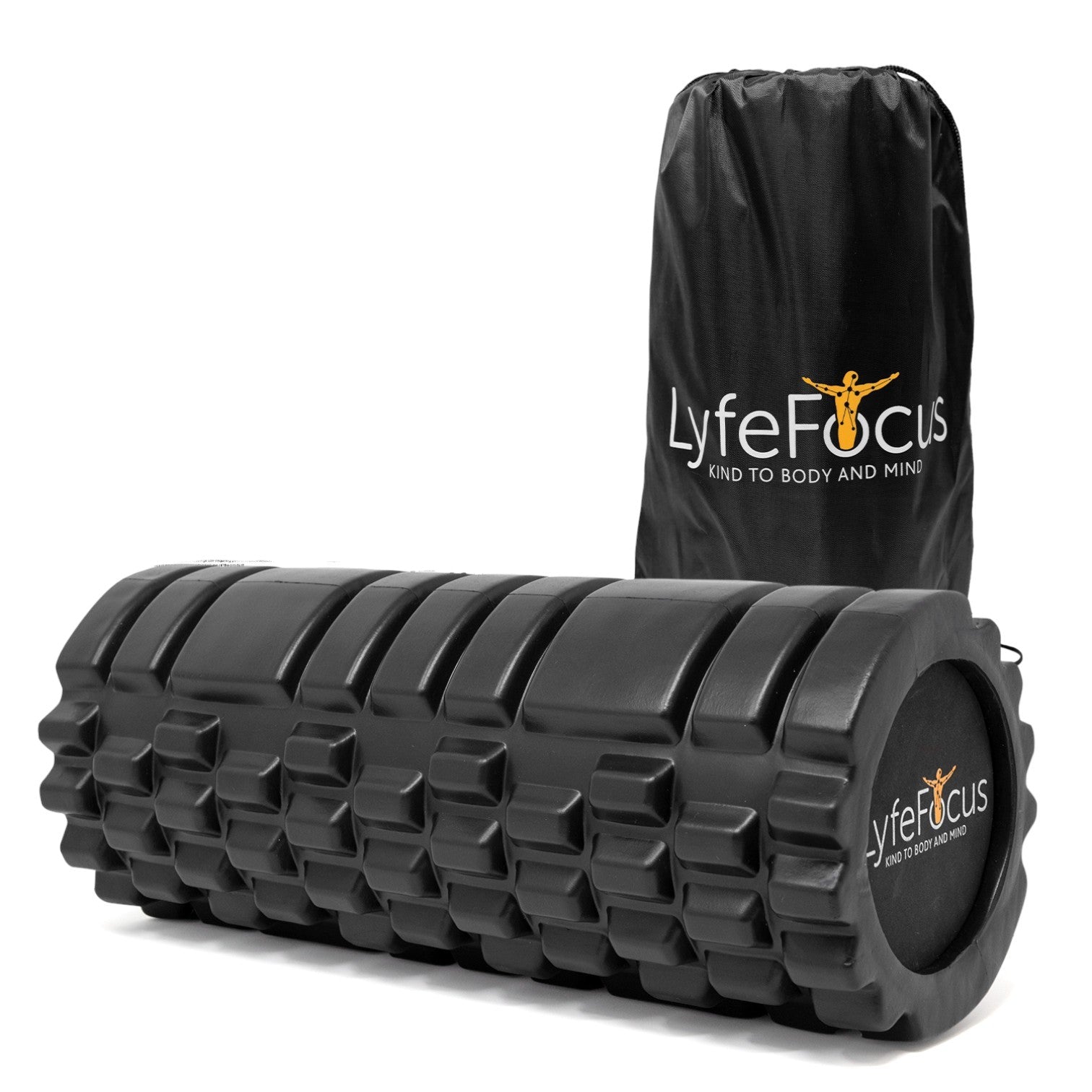
After the first three to five days, foam rolling becomes one of the most effective tools for muscle healing. It breaks up adhesions, improves circulation, and restores range of motion to muscles that have stiffened during the early repair phase. The LyfeFocus Foam Roller is particularly useful here, with three surface zones that let you shift between broad rolling across larger muscle groups and precision trigger point work on tighter spots, all in one session. Roll slowly, spend 60 to 90 seconds per muscle group, and pause on tender areas rather than rolling straight through. If tight hips are part of your problem, our guide on foam rolling for tight hips covers six targeted moves that fit neatly into any muscle healing routine.
Step 3: Muscle Healing Needs the Right Fuel
Muscle healing is a biological process that depends entirely on what your body has to work with. Aim for 20 to 30 grams of protein per meal to give the damaged fibres what they need to rebuild. Stay well hydrated as water supports nutrient delivery to the repair site and flushes out inflammatory waste. Anti-inflammatory foods such as oily fish, leafy greens, and berries help modulate the process without suppressing the signals driving recovery.
Step 4: Sleep Is Where the Most Intensive Muscle Healing Happens
Growth hormone is released during deep sleep, which is when the bulk of tissue repair takes place. Fragmented sleep measurably slows muscle healing, so seven to nine hours a night is not optional during recovery. High stress also raises cortisol, which suppresses the repair process. If you are carrying a heavy workload in Preston, consciously managing stress during the muscle healing period is as important as any physical intervention.
Step 5: Return to Activity Gradually to Complete Muscle Healing
Many people feel better before the muscle has fully repaired and re-injure it at exactly that point. Increase activity by no more than ten percent per week and stop immediately if you feel sharp pain. Eccentric exercises, slow controlled lengthening under load, are particularly effective in the final stages of muscle healing as they restore tensile strength and encourage proper collagen alignment. Building strength in the surrounding muscles matters too. Complete muscle healing is not just returning to your previous baseline. It is the chance to come back more resilient than before.
Start Feeling the Difference
Muscle healing responds to consistency more than anything else. The five steps above work when applied regularly and in the right order. If you have questions about which product fits your situation best, our support team is happy to help. Visit our contact page and we will point you in the right direction.

Foam Roller (Black)
Ease muscle pain fast with deep-tissue relief you can take anywhere.
Shop Now →