Pain Relief Pad: 5 Essential Things Every Lancashire Desk Worker Should Know
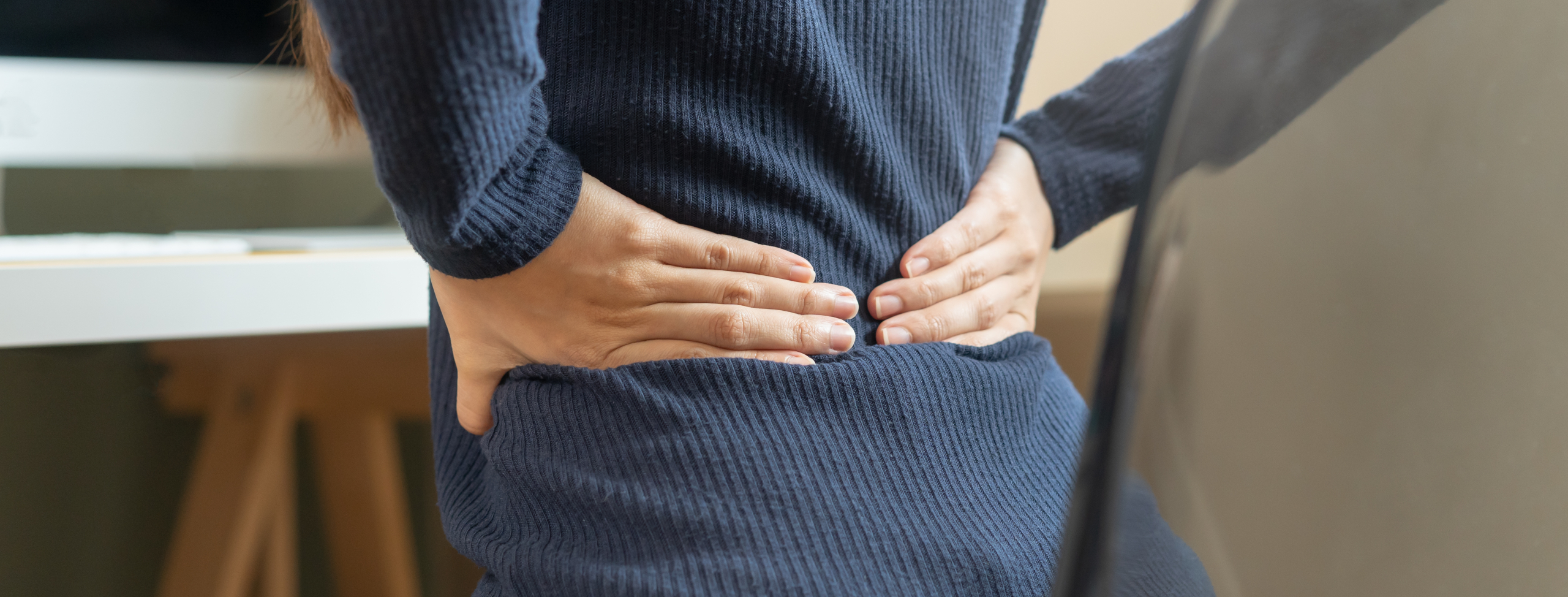
If you spend most of your working day at a desk, a pain relief pad might be one of the most practical tools you can keep close by. Back pain, neck tension, shoulder aches, and tight muscles are all common complaints for Lancashire office workers, and a pain relief pad offers a simple, drug-free way to manage these symptoms at home or at your desk. Whether you are dealing with a long-term ache or a sudden flare-up after a heavy commute, understanding how to use a pain relief pad correctly can make a real difference to how you feel and how quickly you recover.
This guide covers everything you need to know, including when to use heat, when to use cold, common mistakes, and how to build an effective daily routine.
What Is a Pain Relief Pad and How Does It Work?
A pain relief pad is a therapeutic product that applies targeted temperature to a specific area of the body to reduce discomfort, ease muscle tension, and support recovery. Most quality pads on the market are dual-use, meaning they can be heated in a microwave for warm therapy or chilled in a freezer for cold therapy. The gel inside a good pain relief pad remains soft and flexible at both temperatures, allowing it to mould comfortably to the shape of your back, neck, shoulders, or wherever you need it most.
Heat therapy works by causing blood vessels to widen, which increases circulation to the area. This delivers oxygen and nutrients to fatigued or tensed muscles, helping them relax and recover. Cold therapy works in the opposite direction: it causes blood vessels to narrow, reducing swelling, numbing the area, and limiting inflammation. A high-quality pain relief pad gives you access to both of these therapies in a single reusable product, making it far more versatile than a standard hot water bottle or a bag of frozen peas.
For desk workers specifically, a pain relief pad tends to be most useful for the back and shoulders, where tension builds up over long periods of sitting. Many people also find a pain relief pad helpful for neck stiffness that develops after hours of working on a laptop with poor screen positioning.
Heat vs Cold: Choosing the Right Pain Relief Pad Setting
One of the most common questions about using a pain relief pad is whether to go hot or cold. The answer depends on the nature of your pain and how long ago it started. Getting this right matters, because applying the wrong temperature can sometimes make things worse rather than better.
Use cold therapy on your pain relief pad for fresh injuries and sudden flare-ups. If you have strained a muscle, twisted awkwardly at your desk, or noticed sharp pain after lifting something heavy, cold is the right choice for the first 24 to 48 hours. The cold numbs the area, reduces any initial swelling, and slows the inflammatory response. According to guidance from Gloucestershire Hospitals NHS Foundation Trust, ice can be re-applied after an hour if needed, and is particularly helpful in the early stages of an injury when swelling is present.
Switch to the heat setting on your pain relief pad once the initial inflammation has settled, typically after 48 to 72 hours. Heat is also the better choice for chronic pain, ongoing muscle tension, stiffness in the morning, and aches that are not related to a specific injury. Desk workers with persistent lower back tightness or shoulder tension will often find that a heated pain relief pad applied for 15 to 20 minutes provides significant relief. Heat loosens tight muscles and eases the discomfort that comes from sitting in one position for too long.
If you are unsure which setting to use, heat is generally safer for the kinds of everyday aches that desk workers deal with. Always keep a layer of fabric between your skin and the pain relief pad to avoid burns, and never fall asleep while using one.
The Best Times to Use a Pain Relief Pad at Your Desk
Timing makes a significant difference to how effective your pain relief pad sessions are. Using it at random moments throughout the day can help in the short term, but building a more intentional routine will produce better results over time.
Morning is one of the best times to apply a heated pain relief pad if you regularly wake up with stiffness or tightness. Muscles are cooler and less active after a night of rest, and heat applied before you sit down at your desk can warm them up, reduce stiffness, and help you start the day with better posture. Apply your pain relief pad to your lower back or shoulders for 15 to 20 minutes before or while you have your morning coffee.
Midday is another good window, particularly if you notice your back or neck beginning to ache after several hours of work. Taking a proper break and applying a pain relief pad while you step away from your screen gives both your body and your mind a chance to reset. This is also the time when a cold pain relief pad can be useful if you have been experiencing any localised inflammation or a muscle that feels particularly warm to the touch.
The end of the workday is arguably the most popular time for a pain relief pad session. After six, seven, or eight hours at a desk, your muscles are fatigued and your posture has likely deteriorated. Applying heat as part of your wind-down routine can help release the tension that has built up through the day and prepare your body for a more restful evening. For longer-term maintenance, pairing your pain relief pad routine with stretching or using a complementary recovery tool can significantly improve your results. Our guide to acupressure mat therapy and side effects is worth reading if you are exploring other ways to manage muscle tension at home.
Pain Relief Pad Mistakes That Make Symptoms Worse
Applying a pain relief pad directly to bare skin is one of the most frequent mistakes. Whether using hot and cold pack , always place a layer of fabric between the pad and your skin. Gel-based pads can reach high temperatures in the microwave or become very cold from the freezer, and direct contact with unprotected skin can cause burns or ice burns. Most quality pads come with a fabric cover or sleeve precisely for this reason.
Using a pain relief pad for too long is another common issue. Sessions should be limited to 15 to 20 minutes, with at least a 60-minute gap before applying again. Prolonged application of heat or cold can reduce circulation rather than improve it, and may cause skin damage over time. Set a timer to keep your sessions within the safe window.
Moving Forward
A good pain relief pad is one of the most accessible and effective tools available to Lancashire desk workers dealing with everyday back, neck, and shoulder discomfort. Used correctly, with the right temperature at the right time and for the right duration, a pain relief pad can take the edge off daily aches, support muscle recovery, and make your working life noticeably more comfortable. The key is using it consistently and combining it with other good habits like regular movement breaks and proper desk setup.
Still unsure which option is right for you? Our team is one message away. Contact our team and we will point you in the right direction.

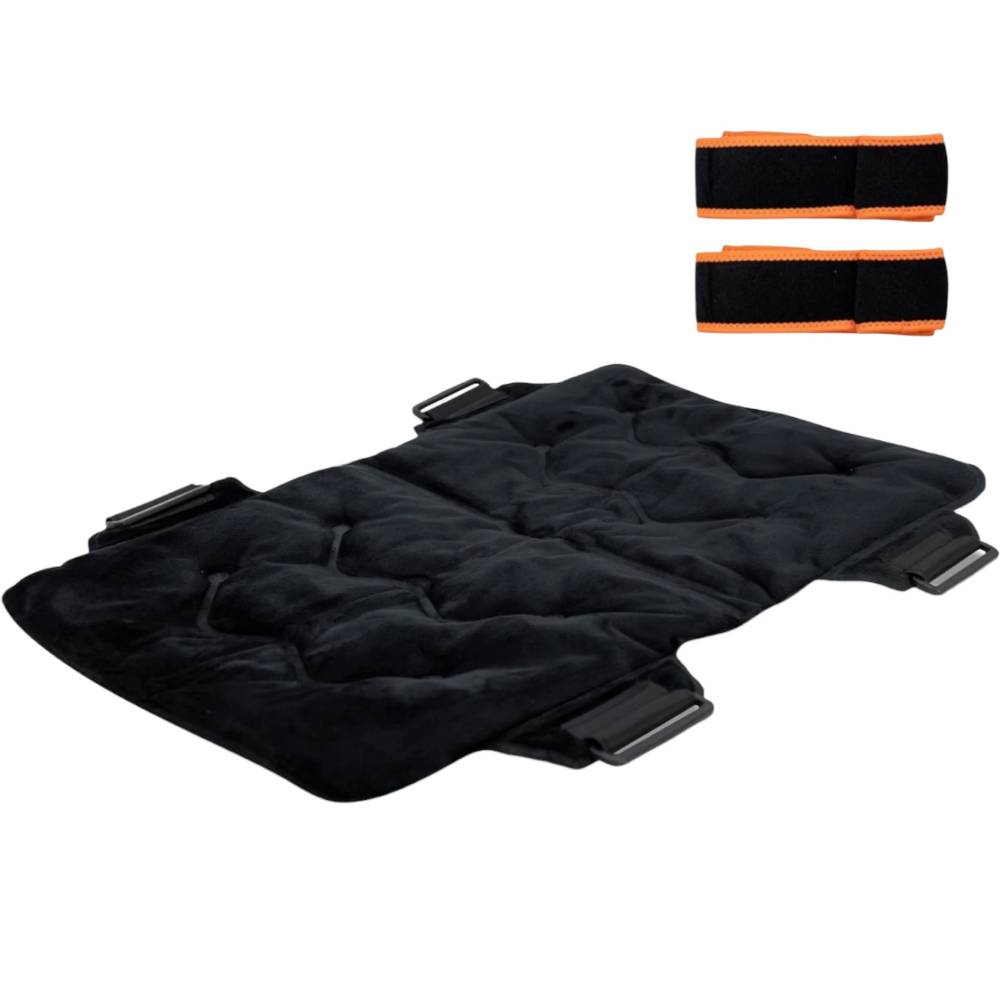
Hot/Cold Pack X-Large
Ease tension fast with full-back hot or cold relief.
Shop Now →