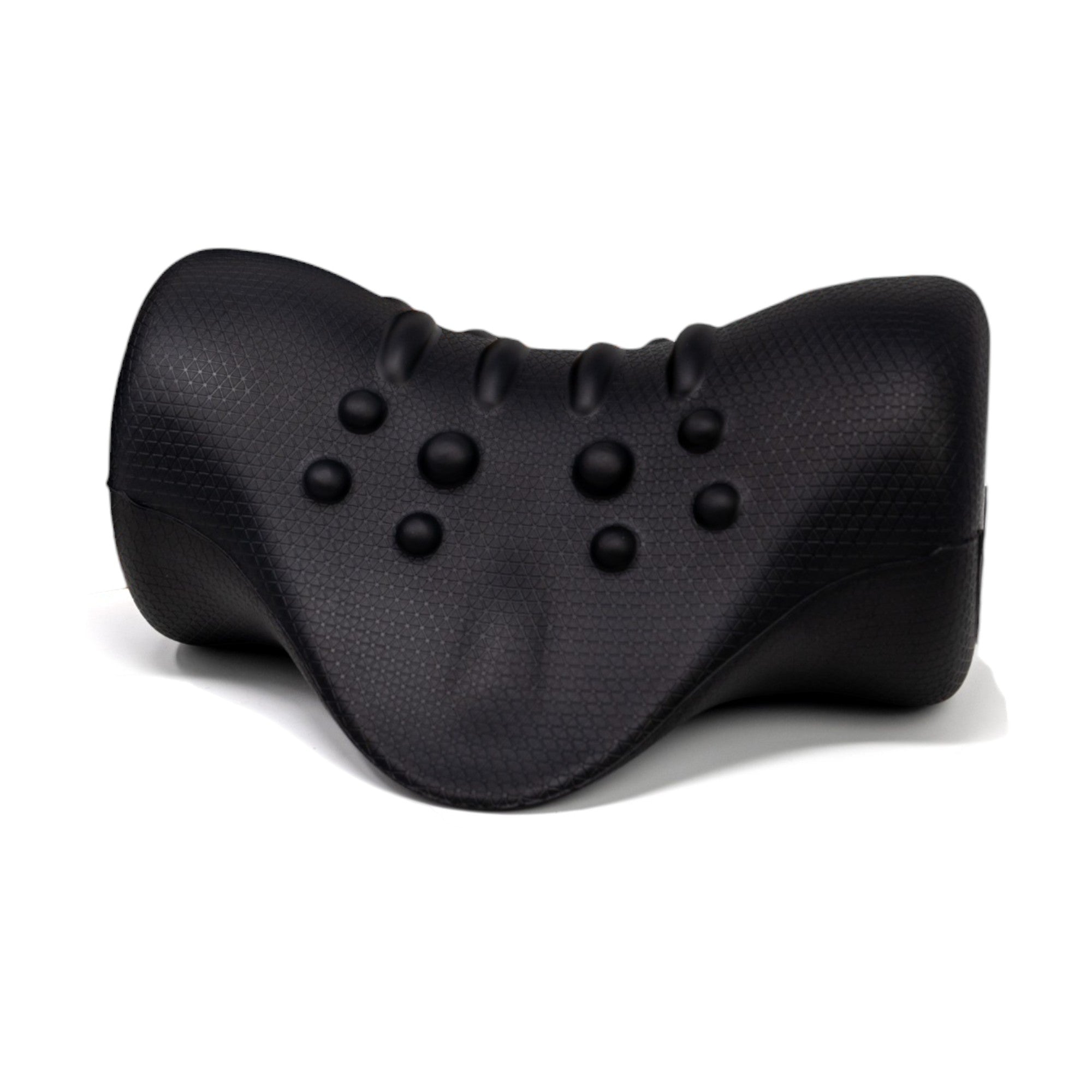
Neck Stretcher Device: 5 Ways to Ease Desk Neck Pain
Nearly two thirds of UK office workers report regular neck pain, and hours spent hunched over a laptop are usually to blame. If your neck feels tight and heavy by mid afternoon, a neck stretcher device could be the missing piece in your daily routine. Prolonged sitting and forward head posture slowly shorten the muscles at the back of the neck until every turn of the head feels stiff. A neck stretcher device works passively, gently decompressing the neck and helping restore its natural curve while you simply lie back and breathe. In this guide, you will learn how a neck stretcher device works, five benefits of daily use, and how to use one safely without causing further strain.
Why Desk Work Is Wrecking Your Neck
Sitting for long stretches with your chin pushed forward towards a screen places constant load on the muscles and joints of the cervical spine. Over time, this posture shortens the muscles at the front of the neck while overstretching and weakening the muscles at the back. The result is stiffness, tension headaches, and a nagging ache between the shoulder blades.
Most people only notice the problem once it becomes painful, but the changes build up gradually across weeks and months of desk work. A laptop screen positioned too low, a phone cradled between ear and shoulder, or long video calls with poor posture all add up. None of these habits feel harmful in the moment, which is exactly why the tension becomes chronic before most people take it seriously.
Gentle daily movement is one of the simplest ways to counteract this. The NHS recommends regular flexibility exercises for the neck to help loosen tight muscles and improve mobility, alongside passive support tools that do some of the work for you.
Ergonomic setup plays a part too. A monitor sitting too low forces the head forward, a chair with no lumbar support tips the pelvis and pulls the spine out of alignment, and a desk that is too high or too low forces the shoulders up towards the ears. None of these issues fix themselves. Improving your desk setup, building core strength, and adding a short daily stretching routine all work together to reduce strain on the cervical spine, rather than relying on any single fix.
What Is a Neck Stretcher Device and How Does It Work?
A neck stretcher device is a curved support that fits behind the neck while you lie back, using your own body weight to create a gentle, controlled stretch. Firm massage nodes reach into the muscle tissue on either side of the spine, while the shape of the arch helps the neck settle back into a healthier, more natural curve.
Unlike aggressive stretching or forceful manipulation, a neck stretcher device applies steady, progressive pressure rather than sudden force. This makes it comfortable enough to use daily, even for people who have never used a decompression tool before. Most sessions last between ten and fifteen minutes, making it easy to build into a lunch break or an evening wind down routine.
Some versions also include a heat setting, which can help the muscles relax more quickly at the start of a session. Whether or not heat is involved, the underlying mechanism stays the same: gentle traction that takes pressure off the joints of the cervical spine.
5 Benefits of Using a Neck Stretcher Device Every Day
Consistency is what makes a neck stretcher device effective. Used regularly, it can support the neck in several ways:
- Eases built-up tension in the muscles running along the back and sides of the neck.
- Helps restore the neck’s natural curvature after hours of forward head posture.
- Encourages a more upright, relaxed posture through the shoulders and upper back.
- Supports recovery between massage, chiropractic, or physiotherapy sessions.
- Works passively, meaning no repetitive exercises or complicated routines are required.
Because a neck stretcher device is compact and lightweight, it travels easily, so the benefits are not limited to your desk at home. Many people keep one at the office too, using it during a short break to reset before the afternoon slump sets in. Over a few weeks of daily use, most people notice they are turning their head more freely and reaching for painkillers less often.
Who a Neck Stretcher Device Works Best For
Desk workers, remote employees, and anyone who spends long hours looking at a screen tend to see the fastest results. Gamers, drivers, and people recovering from a stiff neck after travel also find a neck stretcher device useful, since all of these activities involve long periods with the head held in one fixed position.
It is not just about pain that has already started. Some people use a neck stretcher device preventatively, adding a short session to their evening routine simply to stop tension building up in the first place. Think of it the same way you might think of stretching after a workout, except here the goal is undoing the effects of stillness rather than exercise.
Shift workers and people who split their time between a desk and manual tasks often see benefits too, since switching between very different postures throughout the day can leave the neck and upper back guessing. A short, predictable routine gives those muscles something consistent to rely on, rather than reacting to whatever position the day happens to demand.
How to Use a Neck Stretcher Device Safely
Getting the technique right matters as much as consistency. Follow these steps to use a neck stretcher device with confidence:
- Sit down with the stretcher positioned behind you, curved side facing your back.
- Lower yourself gently using your arms until you are lying back comfortably.
- Let your neck settle over the stretcher slowly, relaxing into the support.
- Reposition your neck slightly every five minutes to target different areas.
- Start with ten to fifteen minutes once a day, building up gradually if needed.
For a full walkthrough with photos, our neck stretcher device instructions guide covers positioning, timing, and how to progress to a deeper stretch once you are comfortable with the basics. Always consult a medical professional first if you have an existing neck condition, and stop immediately if a stretch ever feels sharp rather than gentle.
Common Mistakes to Avoid With a Neck Stretcher Device
A few small errors can reduce the benefit of a neck stretcher device or make sessions less comfortable than they should be:
- Jumping straight to an advanced position instead of easing in gradually.
- Using the stretcher for too long in a single session, especially in the first week.
- Ignoring discomfort that feels sharp rather than a gentle stretching sensation.
- Skipping days, which slows down the build-up of lasting relief.
- Using it on a soft, uneven surface instead of a firm, flat one.
If you experience dizziness, sharp pain, or symptoms that worsen rather than ease, stop using the neck stretcher device and speak to a healthcare professional before continuing. Most people find that easing in slowly for the first week avoids these issues altogether.
It also helps to track how you feel across the first fortnight rather than judging results after a single session. Muscle tension that has built up over months of poor posture will not release overnight, and a slower, more patient approach tends to produce steadier, longer lasting improvements in mobility and comfort than rushing the process.
Ready to push the Neck-pain away?
Neck pain from desk work rarely fixes itself, but a few consistent minutes each day with a neck stretcher device can make a noticeable difference to how your neck and shoulders feel by the end of the week. Pair it with regular movement breaks and better screen positioning, and the results tend to compound over time.
Still unsure which option is right for you? Our team is one message away.

Neck Stretcher (Black)
Ease neck tension and restore natural posture with targeted support.
Shop Now →