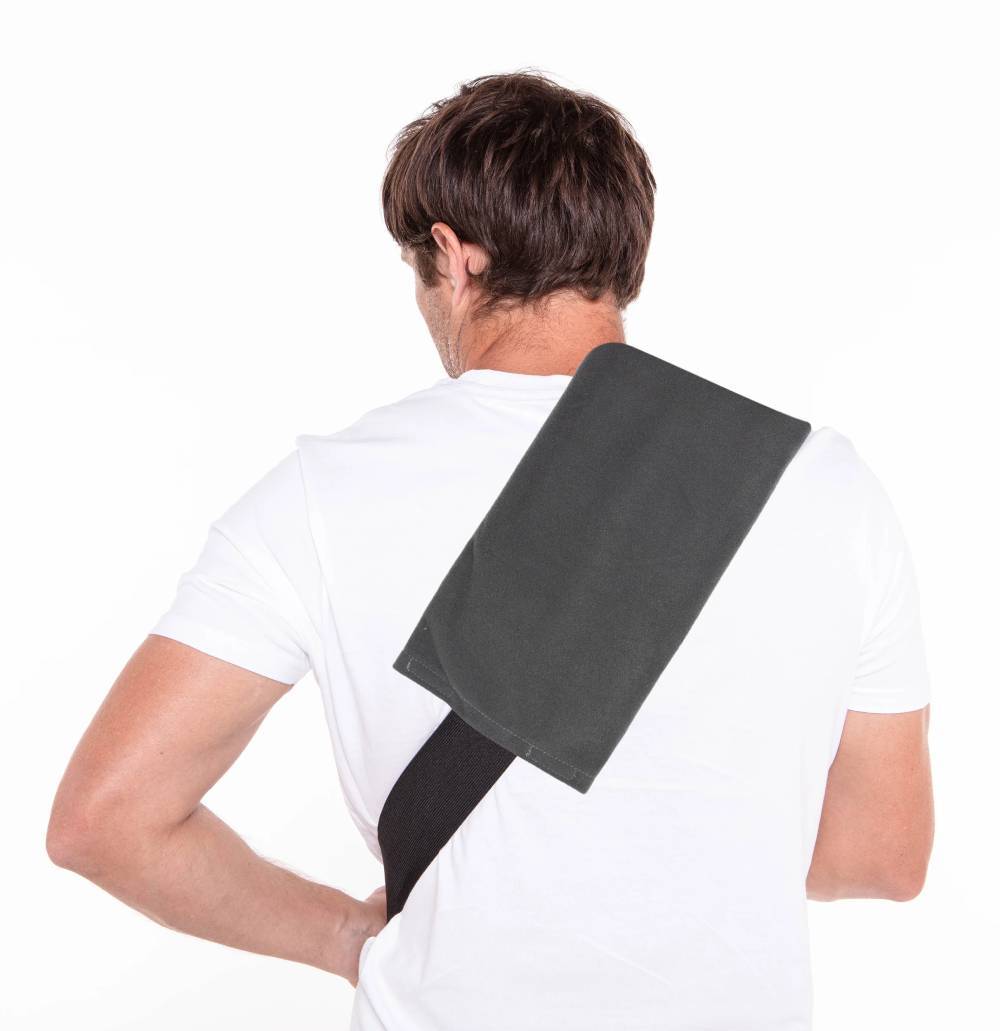
How to Use a Portable Ice Pack for Fast Pain Relief
A portable ice pack is one of the simplest tools you can keep within reach for fast pain relief. Whether you have tweaked your back lifting a box, twisted an ankle on a run, or spent another long day hunched over a laptop, cold therapy can calm swelling and take the edge off pain within minutes. Many people reach for a bag of frozen peas out of habit, but a proper portable ice pack is built to hold its shape, stay flexible when frozen, and mould to whatever part of your body needs it. This guide covers when to use one, how to use it safely, and the mistakes that stop people getting the full benefit.
Why a Portable Ice Pack Beats a Bag of Frozen Peas
Frozen vegetables have been a household stand in for cold therapy for years, and they do work in a pinch. But a portable ice pack has real advantages once you use one regularly. It keeps its temperature for longer, it does not turn to mush after one use, and it can be refrozen hundreds of times without losing shape.
A good portable ice pack also contours to the body instead of sitting stiffly on top of it. This matters for awkward areas like the neck, shoulder, or lower back, where full contact between the pack and the skin is what actually delivers the cooling effect. A soft cover also means you are not applying a rock hard bag straight against sensitive skin.
Common Aches and Injuries That Call for a Portable Ice Pack
Cold therapy is most useful in the first 48 to 72 hours after a new injury or flare up. Some of the most common reasons people reach for a portable ice pack include:
- Ankle or wrist sprains from sport or an awkward step
- Lower back strain after lifting something heavy
- Neck and shoulder tension from long hours at a desk
- Swelling and bruising after a minor knock or fall
- Headaches and migraines, applied to the forehead or neck
According to guidance from nidirect government services, applying ice wrapped in a damp towel for 15 to 20 minutes every two to three hours in the first few days after a sprain or strain helps bring down swelling and support the injury. A portable ice pack makes this far easier to stick to than juggling ice cubes in a sandwich bag.
How to Use a Portable Ice Pack Correctly
Getting the technique right matters just as much as owning the product itself. Follow these steps for safe, effective results.
Timing and Duration
Apply a portable ice pack for no more than 15 to 20 minutes at a time. Leaving it on for longer will not speed up recovery and increases the risk of skin damage. Give the area at least an hour to return to normal temperature before applying cold again.
Protecting Your Skin
Never place a frozen pack directly against bare skin. Most packs come with a fabric cover, but if yours does not, wrap it in a thin towel first. This protects against ice burn while still allowing the cold to pass through.
Best Times to Reach for a Portable Ice Pack at Work or Home
You do not need a dramatic injury to benefit from cold therapy. Plenty of desk workers keep a portable ice pack in the freezer for ordinary days when tension builds up.
- After a long stretch of typing, on tight shoulders or a stiff neck
- Following a workout, on sore calves, knees, or a tender lower back
- During a tension headache, held gently against the forehead
- After standing for hours, on tired feet or swollen ankles
Because a portable ice pack is small enough to travel with, it works just as well at a desk, in a gym bag, or tucked into a car for long commutes.
Portable Ice Pack or Heat Therapy: Which One Do You Need
Cold and heat both have a place, but they solve different problems. Cold reduces swelling and numbs sharp pain, which is why a portable ice pack is the right first move after a fresh injury or flare up. Heat, on the other hand, relaxes tight muscles and improves blood flow, which suits ongoing stiffness rather than a new injury.
A simple rule many people use is cold for the first few days after something happens, then heat once the swelling has settled and you are dealing with lingering tightness instead of active inflammation.
Common Mistakes People Make With a Portable Ice Pack
Even a simple tool like a portable ice pack gets misused more often than you would expect. Watch out for these habits, which our team covers in more detail in this piece on common ice pack mistakes to avoid.
- Leaving it on too long, hoping for faster results
- Applying it straight from the freezer with no barrier at all
- Using it on numb or already damaged skin without checking first
- Reaching for heat instead of cold in the first day after an injury
A well designed portable ice pack with a soft outer cover removes most of this guesswork, since it is built to sit safely against the skin without a separate towel.
Choosing the Right Portable Ice Pack for You
Size matters more than people expect. A pack that is too large is awkward to hold in place on a knee or ankle, while one that is too small will not cover a stiff lower back. For most everyday aches, a compact, flexible pack that stays pliable straight from the freezer strikes the best balance between coverage and comfort.
Look for a cover that stays soft even when the gel inside is fully frozen, along with a shape that can wrap around a joint rather than lying flat. These small details are what separate a pack you actually reach for from one that ends up forgotten at the back of the freezer.
Straps are worth checking too. A pack that can be secured in place with an elastic strap frees up your hands, which makes it far more realistic to actually use for the full 15 to 20 minutes rather than holding it awkwardly against a joint while trying to work or watch television.
A Simple Routine Worth Building
One of the biggest reasons cold therapy fails is inconsistency. People buy a pack, use it once or twice, then forget about it once the sharpest pain has faded. Building a small routine around it makes a real difference. Keep it in the same spot in the freezer, note the time when you apply it, and set a reminder if you know you tend to leave it on too long.
For desk based pain in particular, pairing short bursts of cold with regular movement tends to work better than relying on the pack alone. Standing up every hour, rolling your shoulders, and adjusting your chair height all reduce how often you need cold therapy in the first place. Think of the pack as one part of a wider routine rather than a stand alone fix.
When to See a Professional Instead
Cold therapy is meant for everyday aches, minor strains, and general tension, not for injuries that are getting worse or symptoms that will not settle. If pain is severe, if a joint has changed shape, or if swelling keeps increasing after a few days of home treatment, it is time to speak to a GP, pharmacist, or physiotherapist rather than relying on ice alone.
Persistent tingling, numbness, or a colour change in the skin after applying cold is also a sign to stop and seek advice. Home treatment works well for the vast majority of everyday knocks and strains, but it is not a substitute for proper medical assessment when something feels genuinely wrong.
Start Feeling the Difference
A portable ice pack is a small addition to your routine that can make a real difference to how you manage everyday aches, sports knocks, and long days at a desk. Keep one in the freezer, learn the basic timing rules, and you will have a fast, reliable way to calm pain whenever it shows up.
Not sure where to start? Reach out and our team will point you in the right direction, over on our contact page.

Hot/Cold Pack Small (Grey Cover)
Get hands-free relief anywhere with versatile hot or cold therapy.
Shop Now →