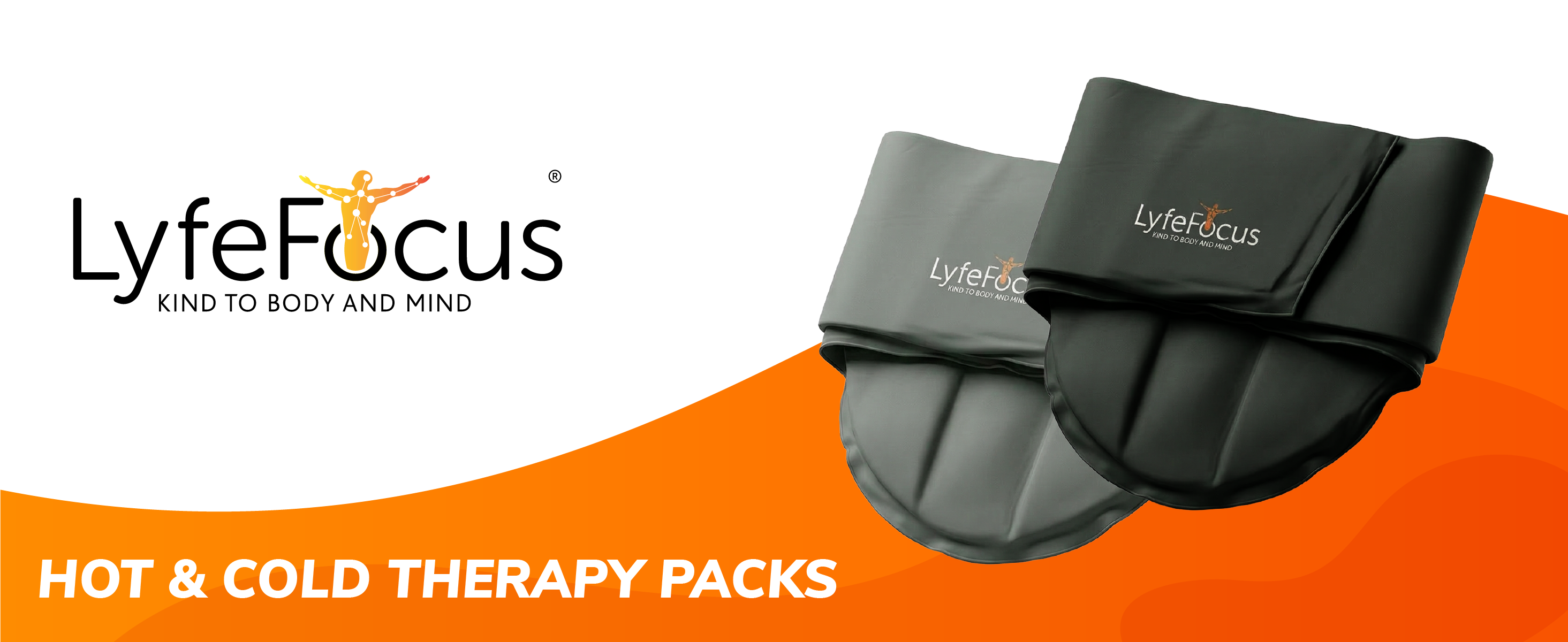
Neck Heat And Ice Pack: The Hands-Free Way To Ease Tension
A neck heat and ice pack built specifically for the shoulders and neck solves a problem that flat gel packs never quite manage: staying in place while you get on with your day. Instead of holding a pack against your neck or balancing it on your shoulder, a contoured neck heat and ice pack drapes over the area and stays put, freeing up both hands for work, reading, or simply relaxing. This guide covers how it works, who it suits, and how it compares with more basic hot and cold packs, so you can decide whether it belongs in your recovery routine.
What Makes A Neck Heat And Ice Pack Different
The defining feature of a neck heat and ice pack is its shape. Rather than a flat rectangle you have to hold in position, it is contoured to sit across the back of the neck and drape down over both shoulders, following the natural curve of the body.
This design means the pack stays exactly where you need it, whether you are sitting at a desk, watching television, or lying down. A neck heat and ice pack also typically covers a wider area than a small handheld pack, spreading therapy across the neck and upper shoulders at the same time rather than one small spot.
How To Use A Neck Heat And Ice Pack
Heat Mode
Warm the pack in short bursts in the microwave, checking the temperature between each burst so it stays comfortably warm rather than hot. Heat is generally best for muscles that feel tight, tense, or stiff rather than acutely inflamed.
Cold Mode
Chill the pack in the freezer for several hours before use if you want cold therapy. Cold is usually the better choice for fresh strains, swelling, or a flare-up that feels warm or reactive to the touch.
Switching Between The Two
Because a neck heat and ice pack works both ways, you can match the therapy to how your neck actually feels on a given day rather than owning separate products for hot and cold. Many people keep one in the freezer and simply microwave it when heat feels more appropriate. As a general rule, cold suits fresh strains and swelling, while heat suits ongoing stiffness and tension that has settled in over days.
Our guide to cold packs, heat packs, and recovery timing goes into more detail on choosing between the two depending on how your body feels in the moment.
Who A Neck Heat And Ice Pack Is Best For
Desk workers who spend long hours hunched over a screen are among the most common users, since a neck heat and ice pack can sit in place through a working session without needing to be held or repositioned. Athletes and gym-goers also reach for one after training, using cold to calm inflammation and heat afterward to ease residual tightness.
People attending physiotherapy or recovering from a minor strain often find a neck heat and ice pack useful between appointments, giving them a consistent, comfortable way to manage symptoms at home. Frequent travellers also appreciate the hands-free design, since it works just as well slumped in an airplane seat as it does at a desk. Even a stiff neck from an awkward night’s sleep can be a good reason to reach for one first thing in the morning, before the day’s activity makes the tension harder to shift.
According to NHS guidance on neck pain, both heat and cold packs can help ease general neck pain and stiffness, which is exactly the kind of everyday discomfort this style of product is designed for.
Neck Heat And Ice Pack Versus Traditional Gel Packs
A basic flat gel pack works well enough for a few minutes of hand-held use, but it slips, slides, and needs constant repositioning if you try to keep working while using one. A neck heat and ice pack is built to stay in place through movement, which makes it far more practical for anyone who wants relief without pausing their day entirely.
The contoured shape also delivers more even coverage. A flat pack pressed against the neck often misses the shoulders entirely, while a shaped neck heat and ice pack reaches both areas at once, which matters since neck and shoulder tension so often occur together.
Caring For Your Neck Heat And Ice Pack
Always use the fabric sleeve provided rather than applying the gel pack directly to bare skin, both for comfort and to protect the material from wear. Wipe the sleeve down with a damp cloth as needed and allow it to dry fully before storing it back in the freezer or a drawer.
Avoid folding the gel pack tightly for long periods when it is not in use, since this can cause the gel to settle unevenly inside the panels over time and reduce how consistently it heats or cools on future use.
Fit And Comfort During Use
Most versions are designed with adjustable or stretch-fit panels so the wrap sits snugly regardless of neck and shoulder size, without straps or ties that can dig in during longer sessions. A soft outer fabric against the skin helps it feel comfortable enough to wear while working, reading, or watching television, rather than something you have to set aside time specifically to use.
Because the design sits close to the body, body heat also helps sustain the effect for longer once removed from the freezer or microwave, compared with a loose pack that loses temperature more quickly through gaps and movement.
Common Mistakes To Avoid
Applying the pack straight from the freezer without a barrier is one of the most common mistakes, and it can lead to skin irritation if the gel is left in direct contact for too long. Always use the fabric sleeve or a thin towel as a buffer.
Overheating in the microwave is another frequent error. Short bursts with checks in between prevent the gel from becoming too hot, which is both uncomfortable and can damage the material over repeated use.
Using heat on a fresh, swollen strain rather than cold is also a common mismatch. If an area feels warm, puffy, or acutely painful, cold is generally the safer starting point before switching to heat once the initial inflammation has settled.
Frequently Asked Questions
Can I use it every day?
Short, sensible sessions are generally fine for daily use, though if you find yourself relying on it every single day for ongoing pain, it is worth mentioning to a GP or physiotherapist.
Does it work for shoulder pain as well as neck pain?
Yes, the contoured shape is specifically designed to cover both the neck and shoulders at the same time, making it useful for tension that spreads across both areas.
How long does the cold or heat last?
Most sessions stay effective for around fifteen to twenty minutes before the temperature starts to fade, which is generally considered a suitable session length for both hot and cold therapy.
Here To Help
A reliable neck heat and ice pack is one of those products that quietly earns its place in daily life, ready in the freezer for a flare-up or in the microwave for tight, tense muscles at the end of a long day. Its contoured, hands-free design means it works with your day rather than interrupting it.
Want to know more before you commit? Our friendly support team is happy to chat — get in touch.

Neck Ice & Heat Pack
Hands-free hot or cold therapy contoured to fit the neck, shoulders, and upper back.
Shop Now →