Frozen Shoulder: What It Is, Why It Happens, and How to Ease It
Frozen shoulder is one of the most disruptive musculoskeletal conditions a person can experience, not because it is dangerous, but because it makes everyday tasks feel impossible. Reaching up to a shelf, pulling on a jacket, sleeping on your side: all of it becomes painful and restricted. Millions of people in the UK develop frozen shoulder at some point in their lives, yet many wait months before seeking information about what is happening or what they can do about it.
This guide covers what frozen shoulder is, who is most at risk, how it progresses, and what practical steps you can take at home to manage pain and maintain mobility while your shoulder recovers.
What Is Frozen Shoulder?
Frozen shoulder, also known as adhesive capsulitis, is a condition in which the flexible tissue surrounding the shoulder joint, called the capsule, becomes inflamed, thickens, and tightens. As it does so, the shoulder loses its range of motion progressively, and pain becomes a constant feature of daily life. The NHS describes frozen shoulder as a condition where shoulder tissue becomes inflamed, tighter, and shrinks, causing pain and restricted movement that can persist for months or years.
The key thing to understand about frozen shoulder is that it is not caused by structural damage to the shoulder joint itself. The bones, tendons, and rotator cuff are typically intact. What has changed is the capsule surrounding the joint, and that distinction matters because it affects how treatment works. Unlike a rotator cuff tear or an impingement, frozen shoulder responds to gentle, consistent movement and targeted pain management rather than rest alone.
The 3 Stages of Frozen Shoulder
Frozen shoulder is not a static condition. It moves through three distinct phases, each with its own dominant symptoms and optimal management approach.
Stage 1: Freezing
This is the most painful stage of frozen shoulder. The capsule begins to inflame and tighten, and the shoulder becomes acutely sensitive. Pain is often felt at rest as well as on movement, and night pain is particularly common, disrupting sleep and compounding fatigue. The freezing stage can last anywhere from two to nine months. At this stage, the priority is pain management and gentle movement to prevent further loss of range.
Stage 2: Frozen
During the frozen stage, the acute pain often begins to ease slightly, but the stiffness that has developed reaches its peak. Range of motion is severely restricted in all directions, particularly in external rotation and elevation. This is the stage at which frozen shoulder has the greatest impact on daily function. It typically lasts four to twelve months. Heat therapy, gentle stretching, and consistent low-load movement are the primary tools at this stage.
Stage 3: Thawing
In the thawing stage, the capsule gradually loosens, inflammation resolves, and range of motion begins to return. This is the most encouraging stage of frozen shoulder, but it is also the slowest. Recovery during thawing can take between twelve and forty-two months. Progressive exercise and continued pain management support the process and help maximise the return of full shoulder function.
Who Gets Frozen Shoulder and Why
Frozen shoulder affects roughly three percent of adults over their lifetime. Certain groups are at significantly higher risk. People aged between 40 and 65 are the most commonly affected, and the condition is more prevalent in women than men. People with diabetes have a notably elevated risk, as do those with thyroid disorders, high cholesterol, or a history of heart disease. Frozen shoulder can also develop following a period of shoulder immobility, such as after surgery, a fracture, or a prolonged illness that limits arm use.
In many cases, frozen shoulder develops without any identifiable trigger. There is no injury, no illness, and no obvious cause. The capsule simply begins to inflame for reasons that are not yet fully understood. This is important to acknowledge because it means there is no way to guarantee prevention, and it is not something the person has done wrong.
Frozen Shoulder Symptoms: What to Look For
The symptoms of frozen shoulder are consistent enough that many people recognise them before they receive a formal diagnosis. The most prominent features are:
- Persistent aching pain in the shoulder, often described as a deep, dull ache that worsens with movement and does not fully resolve at rest
- Night pain that disrupts sleep, particularly when lying on the affected side
- Progressive loss of movement, especially difficulty raising the arm above the head, reaching behind the back, or rotating the arm outward
- Muscle aching in the upper arm and upper back as compensatory muscles work harder to substitute for reduced shoulder mobility
If you recognise these symptoms, it is worth speaking to your GP or physiotherapist for a formal assessment. Frozen shoulder is usually diagnosed through a physical examination of range of motion, though an X-ray may be taken to rule out other conditions such as arthritis.
How to Manage Frozen Shoulder at Home
The most important principle in managing frozen shoulder at home is to keep the shoulder moving gently and consistently, while controlling the pain enough to make that movement possible. Immobilising the shoulder entirely makes frozen shoulder worse, not better. The capsule responds to gentle load and movement, and without that stimulus, it continues to tighten.
Heat Therapy for Frozen Shoulder
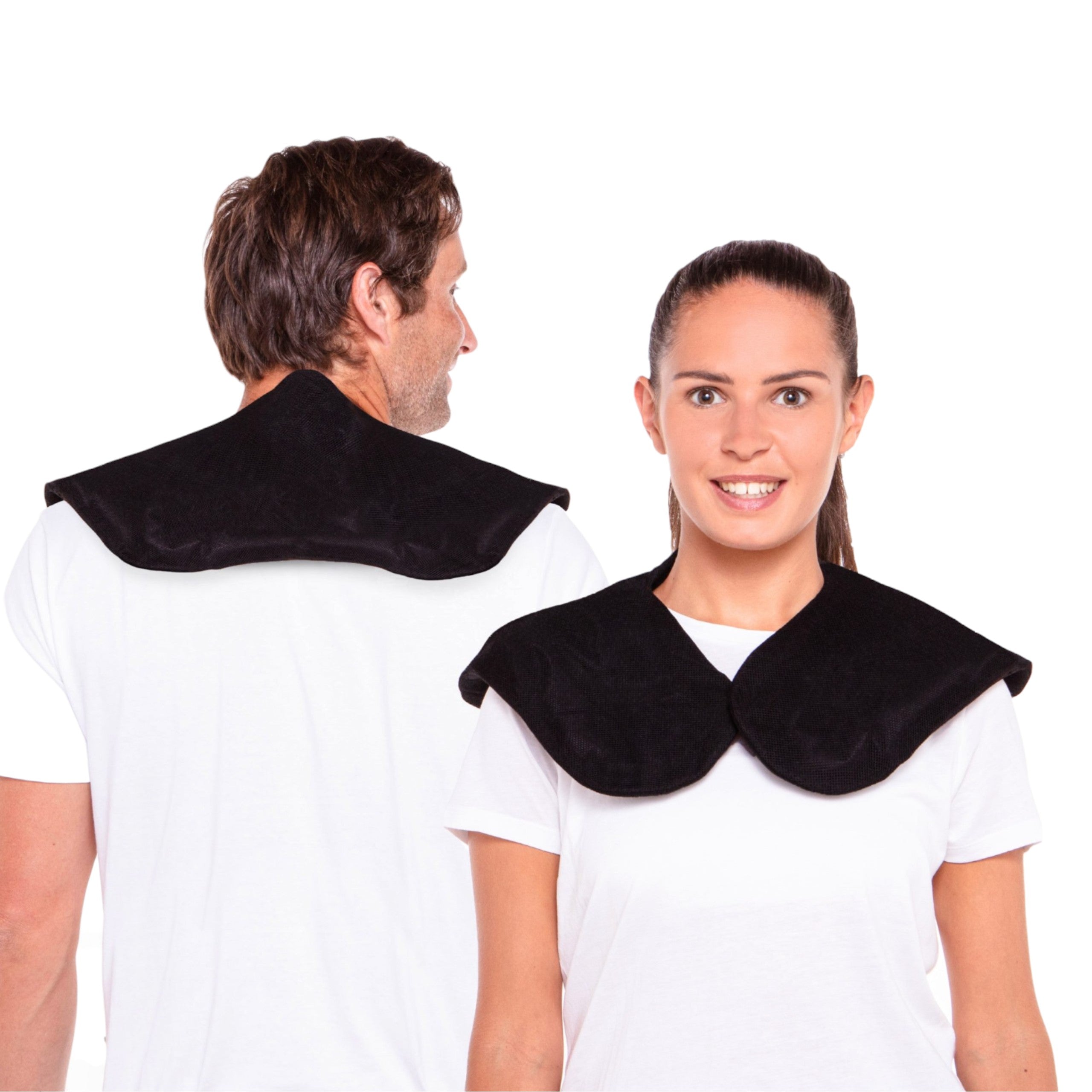
The NHS specifically recommends applying a heat pack to the shoulder for up to 20 minutes at a time as a self-help strategy for frozen shoulder. Heat improves local circulation, relaxes the surrounding muscles, and makes the capsular tissue more pliable, which helps the shoulder respond better to gentle movement and stretching. A shaped neck and shoulder heat pack is particularly well suited to frozen shoulder because it wraps around the joint and delivers warmth to the exact area that needs it, without requiring you to hold anything in place. Using heat before your exercises each session is a particularly effective approach, as it prepares the tissue for movement and reduces the pain associated with early-stage stretching. You can also go through frozen shoulder treatment guide to help ease the pain.
Cold Therapy for Frozen Shoulder
Cold therapy is most useful during the freezing stage, when inflammation is active and the joint is acutely painful. Applying a cold pack to the shoulder for 10 to 15 minutes reduces the inflammatory response, numbs the area, and brings pain down to a more manageable level. Cold is not intended to replace heat in a frozen shoulder management routine but to complement it. Many people find that cold therapy after exercise or activity helps to settle the post-movement ache that the freezing stage produces. A reusable hot and cold therapy pack designed for the neck and shoulder gives you both options in a single product, which makes the switching between heat and cold as simple as possible during the different stages of frozen shoulder.
Gentle Exercise for Frozen Shoulder
Exercises for frozen shoulder should be prescribed or guided by a physiotherapist, particularly in the early stages. The general principle is to perform gentle pendulum swings, forward and sideways wall walks, and rotation exercises within a pain-free or mildly uncomfortable range, several times per day. The goal is not to push through pain aggressively but to maintain and gradually increase the range of movement available. As the condition progresses into the thawing stage, the range of exercise that is appropriate increases and the emphasis shifts toward restoring full function.
How to Get Started
If you suspect you have a frozen shoulder, the first step is to see your GP or a physiotherapist for a formal assessment and exercise guidance specific to your current stage. In parallel, managing pain and inflammation at home with heat and cold therapy allows you to stay more comfortable and keep moving during what can be a lengthy recovery. Applying heat before exercise and cold after activity is a simple, evidence-aligned approach that most people with frozen shoulder find genuinely helpful.
Need help choosing the right product to support your shoulder? Our team is one message away via our contact page.

Hot/Cold Pack Neck & Shoulder
Relieve neck and shoulder pain fast with targeted hot or cold therapy.
Shop Now →