Ice After Exercising? Where Should You Apply It for Best Results
If you have ever wondered whether using ice after exercising is actually doing anything, you are not alone. Most people reach for a bag of frozen peas after a hard workout without much thought about where to put it or why. The truth is, applying ice after exercising to the right area at the right time can genuinely speed up your recovery and reduce soreness. Apply it to the wrong place, or skip it entirely, and you lose one of the simplest and most effective recovery tools available.
This guide covers exactly where to use ice after exercising, why it works, and how to do it properly.
Why Using Ice After Exercising Actually Works
Using ice after exercising is not just habit or tradition. Cold therapy causes blood vessels to constrict, which reduces blood flow to the area and limits the inflammation response that follows intense physical effort. When you remove the cold pack, circulation rebounds and fresh, oxygenated blood rushes back into the muscle tissue. That two-phase process, constriction followed by rebound, is what makes ice after exercising effective for reducing swelling, numbing localised pain, and helping the body begin the repair cycle more efficiently.
The NHS recommends applying an ice pack for up to 20 minutes every two to three hours in the first few days following a soft tissue injury or heavy physical strain. That same principle applies when muscle soreness builds after a demanding training session. Timing matters. Using ice after exercising works best in the first 24 to 48 hours, while inflammation is still developing.
Ice After Exercising for Sore Muscles: Legs and Thighs
The quadriceps, hamstrings, and calves take the most punishment in running, cycling, and lower body strength training. These large muscle groups are often the first to feel delayed onset muscle soreness, also known as DOMS, which typically sets in 24 to 48 hours after exercise. Applying ice after exercising to the front of the thighs or the back of the knees targets the areas where inflammation tends to concentrate.
Place a cold pack wrapped in a thin cloth on the thigh for 15 to 20 minutes while sitting or lying down. Elevating the leg during this process helps further reduce swelling. If you train your legs regularly and consistently experience soreness, making ice after exercising part of your post-session routine rather than a one-off treatment will give you better long-term results.
Where to Apply Ice After Exercising on the Knees
Knee soreness after physical training is extremely common, particularly for people who run, squat heavy, or play court sports. The knee joint is under significant load during most lower body exercises, and inflammation around the joint or in the surrounding tendons can accumulate quickly. Ice after exercising applied directly around the kneecap and behind the knee joint is one of the most recommended approaches for keeping post-workout swelling manageable.
A small, strapped cold pack is ideal here because it sits flush against the joint without requiring you to hold it in place. Sessions of 15 to 20 minutes are effective. Never apply ice directly to skin. Always use a cloth or cover between the pack and the skin surface to avoid ice burns.
Ice After Exercising for Shoulder and Upper Body Soreness
Shoulder soreness is particularly common after pressing movements, overhead exercises, or upper body HIIT sessions. The shoulder joint is surrounded by a complex of muscles, tendons, and ligaments, all of which are vulnerable to overuse and post-exercise inflammation. Using ice after exercising on the front or top of the shoulder, or along the outer edge of the joint, can reduce the aching stiffness that often follows an intense upper body session.
The same applies to the elbows and forearms after grip-heavy workouts or sessions involving heavy pulling movements. Ice after exercising in these areas for 15 to 20 minutes at a time helps manage the acute inflammation that makes movement uncomfortable in the hours after training.
Using Ice After Exercising on the Lower Back
Lower back soreness after deadlifts, rowing, or any exercise that loads the lumbar spine is something many active people deal with regularly. The mistake most people make is reaching for heat immediately, when cold therapy is often the more appropriate choice in the first 24 to 48 hours. Using ice after exercising on the lower back numbs the area, reduces any developing inflammation, and can make movement significantly more comfortable during the recovery window.
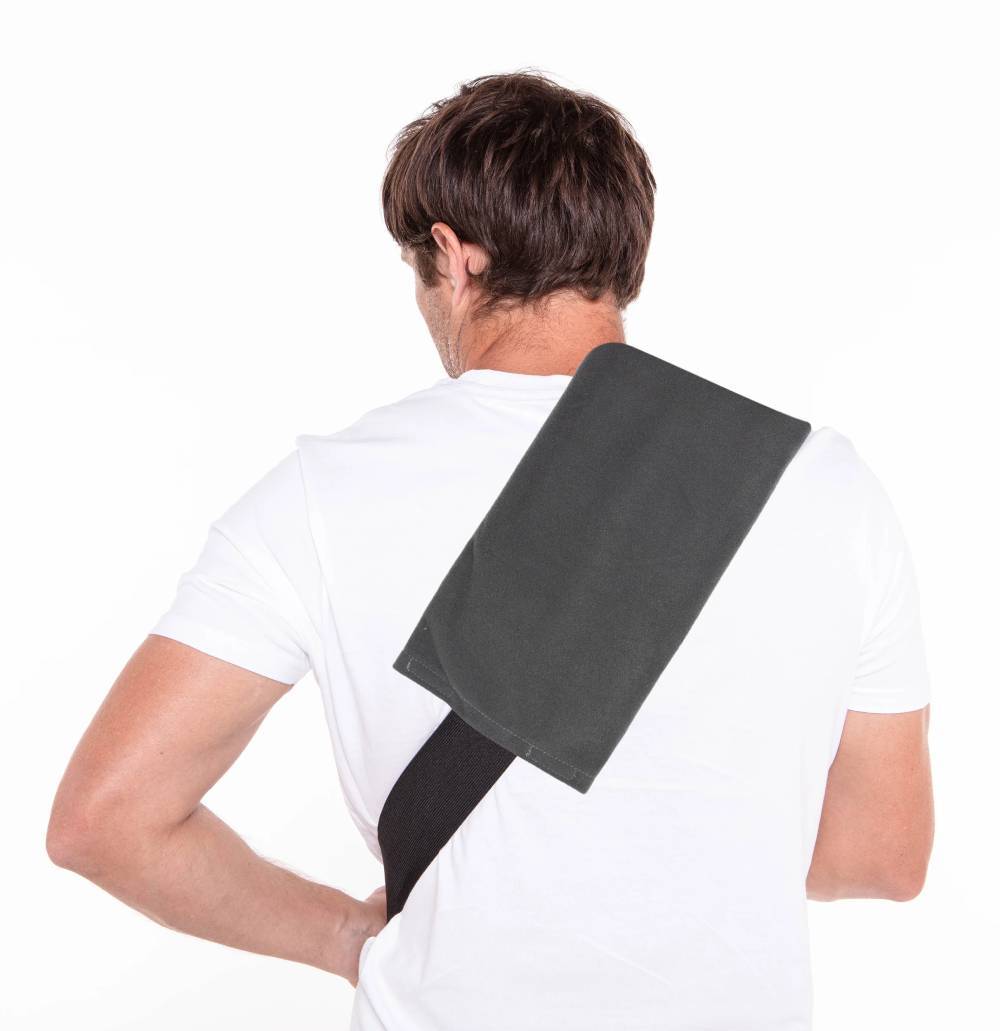
A flat, wearable cold pack that moulds to the lower back is ideal here. You want coverage across the lumbar region rather than a small concentrated spot, so the pack size matters. Ice after exercising on the lower back works best when you are resting in a supported position, so lying down or sitting with lumbar support during the session gives the best results.
Ankles and Feet: Ice After Exercising for the Most Common Trouble Spots
Ankles and feet are among the most frequently affected areas for anyone who runs, does HIIT, or plays sport. Even without a clear injury, the repetitive impact on joints and connective tissue during exercise creates micro-stress that cold therapy helps address. Ice after exercising applied around the ankle joint and across the top of the foot is particularly useful after long runs, new training surfaces, or sessions where you pushed harder than usual.
Keep the foot elevated while applying the cold pack to maximise the effect. Ankles respond well to ice after exercising because the joint is close to the surface and the cold penetrates quickly. Sessions should be kept to 15 to 20 minutes, with the pack always wrapped in cloth or a cover.
How Long and How Often Should You Use Ice After Exercising
The standard guidance for using ice after exercising is 15 to 20 minutes per session, repeated every two to three hours in the first 24 to 48 hours after training. After 48 hours, the acute inflammatory phase typically subsides and heat becomes the more appropriate option for ongoing stiffness and tight muscles.
Never apply ice after exercising for longer than 20 minutes at a time. Prolonged exposure can cause an ice burn or temporarily interfere with circulation in ways that slow rather than support recovery. Consistency across the first two days matters more than the length of any single session. Short, regular applications of ice after exercising deliver better results than one long session.
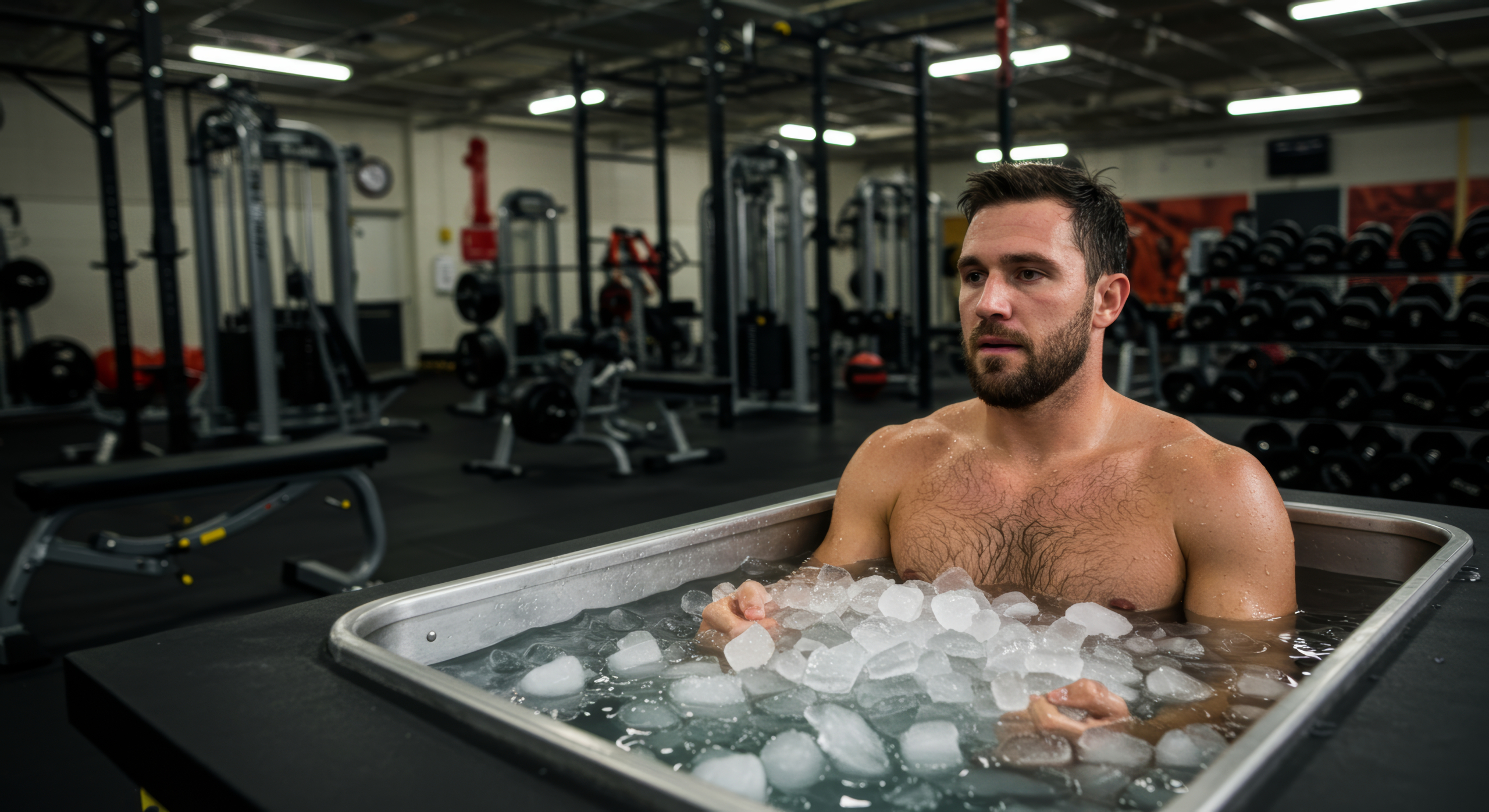
If you train multiple times a week, a reusable cold pack that you can freeze between sessions is far more practical than improvising with frozen food every time. Keeping a cold pack in the freezer ready to use means you are more likely to actually use ice after exercising consistently, which is where the real benefit comes from. For full-body cold immersion after particularly demanding sessions, our cold therapy collection includes portable ice bath options designed for at-home recovery.
Your Next Move
Using ice after exercising consistently and in the right locations is one of the simplest upgrades you can make to your recovery routine. Target the muscles and joints that bore the most load during your session, keep sessions to 15 to 20 minutes, and repeat every two to three hours in the first day or two after training. A reliable, reusable cold pack makes this easy to stick to without any extra effort.
Still unsure which option is right for you? Our team is one message away. Visit our contact page and we will help you find the best fit.

Hot/Cold Pack Small (Grey Cover)
Get hands-free relief anywhere with versatile hot or cold therapy.
Shop Now →