
Foam Rolling for Muscle Recovery: A Beginner's Guide
If you've ever finished a tough workout and felt like your legs turned to concrete the next day, you already know why recovery matters. Foam rolling for muscle recovery is one of the simplest tools you can add to your routine, and unlike stretching alone, it works directly on tight, knotted muscle tissue. Here's how to get started properly.
What Foam Rolling Actually Does
Foam rolling applies sustained pressure to muscles and the connective tissue surrounding them, a technique known as self-myofascial release. This can help improve blood flow to the area, reduce muscle tightness, and make you feel less stiff in the hours and days after exercise. Foam rolling for muscle recovery works best as part of a routine, not a one-off fix after a single hard session.
It won't replace proper rest or nutrition, but it's a useful addition alongside them, especially on days when you're too sore to fully stretch but still want to move.
Getting Started: The Basics
-
Roll slowly, spending 30 to 60 seconds on each muscle group
-
Apply moderate pressure, not your full body weight straight away
-
Breathe normally rather than holding your breath through tender spots
-
Avoid rolling directly over joints, bones, or the lower back
-
Stop if you feel sharp, shooting pain rather than general muscle tenderness
Before or After Exercise
Foam rolling before a workout can help loosen tight muscles and prepare them for movement, while rolling after exercise supports recovery and can ease the onset of soreness. Many people find a short session both before and after gives the most benefit, though even just one is worthwhile if time is limited.
A Beginner's Foam Rolling Routine
Calves and Lower Legs
Sit with the roller under your calves, hands behind you for support, and slowly roll from ankle to knee. This area is often overlooked but holds significant tension after running or standing all day.
Quads and Hamstrings
Lie face down with the roller under your thighs, then flip onto your back for hamstrings. These larger muscle groups can usually handle firmer pressure once you're used to rolling.
Upper Back
Lie with the roller horizontal under your shoulder blades, knees bent, and gently roll up and down. Keep your core engaged to protect your lower back throughout.
Common Beginner Mistakes
-
Rolling too fast, which limits how effectively the tissue actually releases
-
Rolling directly on the lower back, where it can strain the spine
-
Expecting instant results after one session instead of building consistency
-
Skipping warm-up movement before rolling particularly tight areas
Who Benefits Most From Foam Rolling
Foam rolling for muscle recovery tends to help a fairly wide range of people, though a few groups notice the biggest difference:
-
Runners and cyclists managing tight calves, quads, and IT bands
-
Strength trainers dealing with post-workout soreness
-
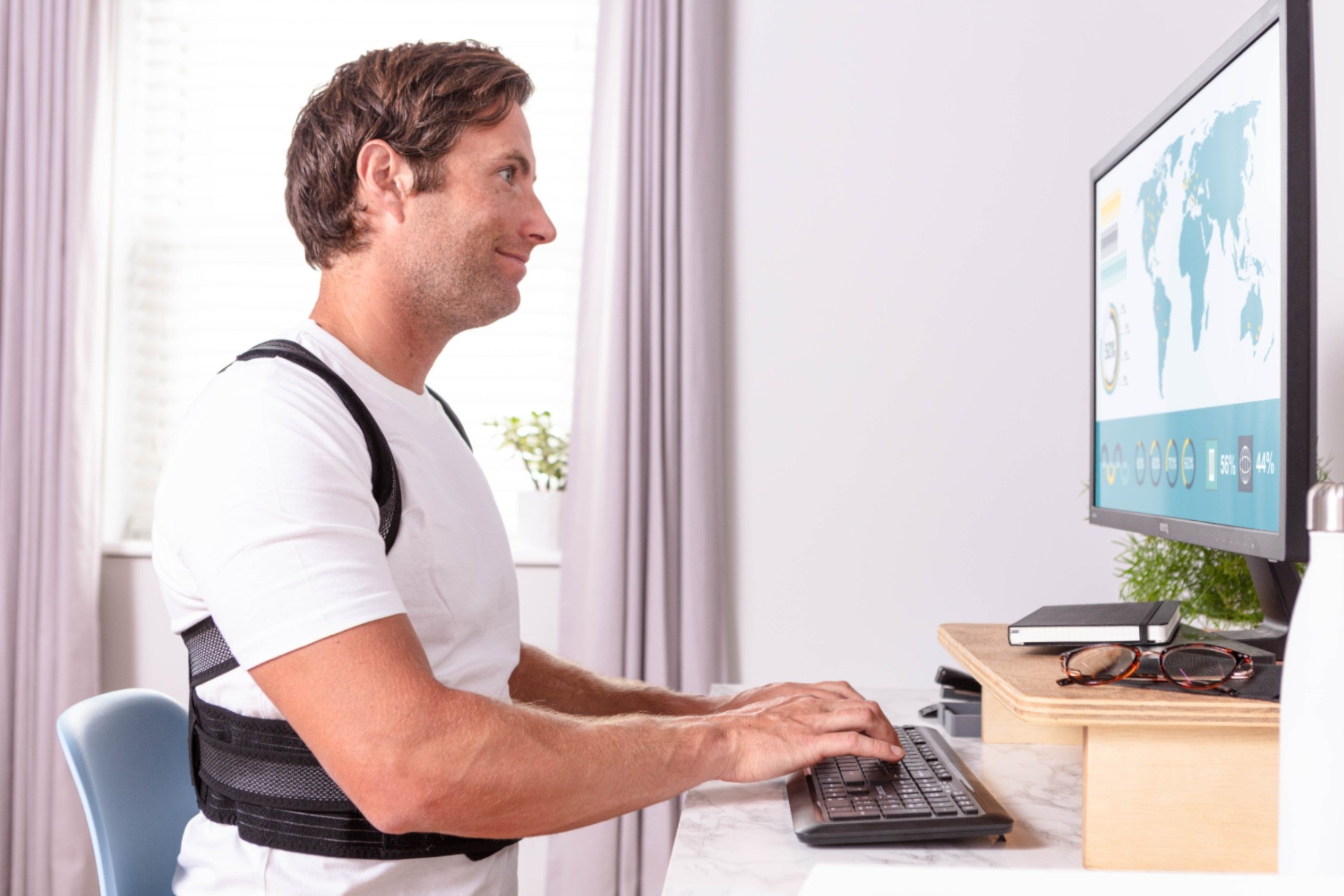
Desk workers with tight hips and upper back from prolonged sitting
-
Anyone returning to exercise after a break, when muscles are less conditioned
Building It Into Your Recovery Routine
The NHS notes that good flexibility can reduce aches and pains and lower your risk of injury, and foam rolling pairs naturally with that goal alongside regular stretching. It's also worth combining with a proper warm-up. The NHS recommends at least 6 minutes of warming up before exercise to prepare muscles and reduce injury risk, which sets you up for a more effective foam rolling session afterward too.
Choosing the Right Roller
A firmer Foam Roller suits larger muscle groups like the quads and back, while a Vibrating Massage Ball is better for smaller, more targeted knots such as the glutes or feet that a full roller can't reach as precisely.
Next Step
Foam rolling for muscle recovery doesn't need to be complicated, a consistent five to ten minutes after training goes a long way. If you're not sure which roller or accessory fits your routine, our support team is happy to help, just get in touch and we'll point you in the right direction.
Ready to start rolling? The Foam Roller is a solid choice for beginners building a recovery routine.